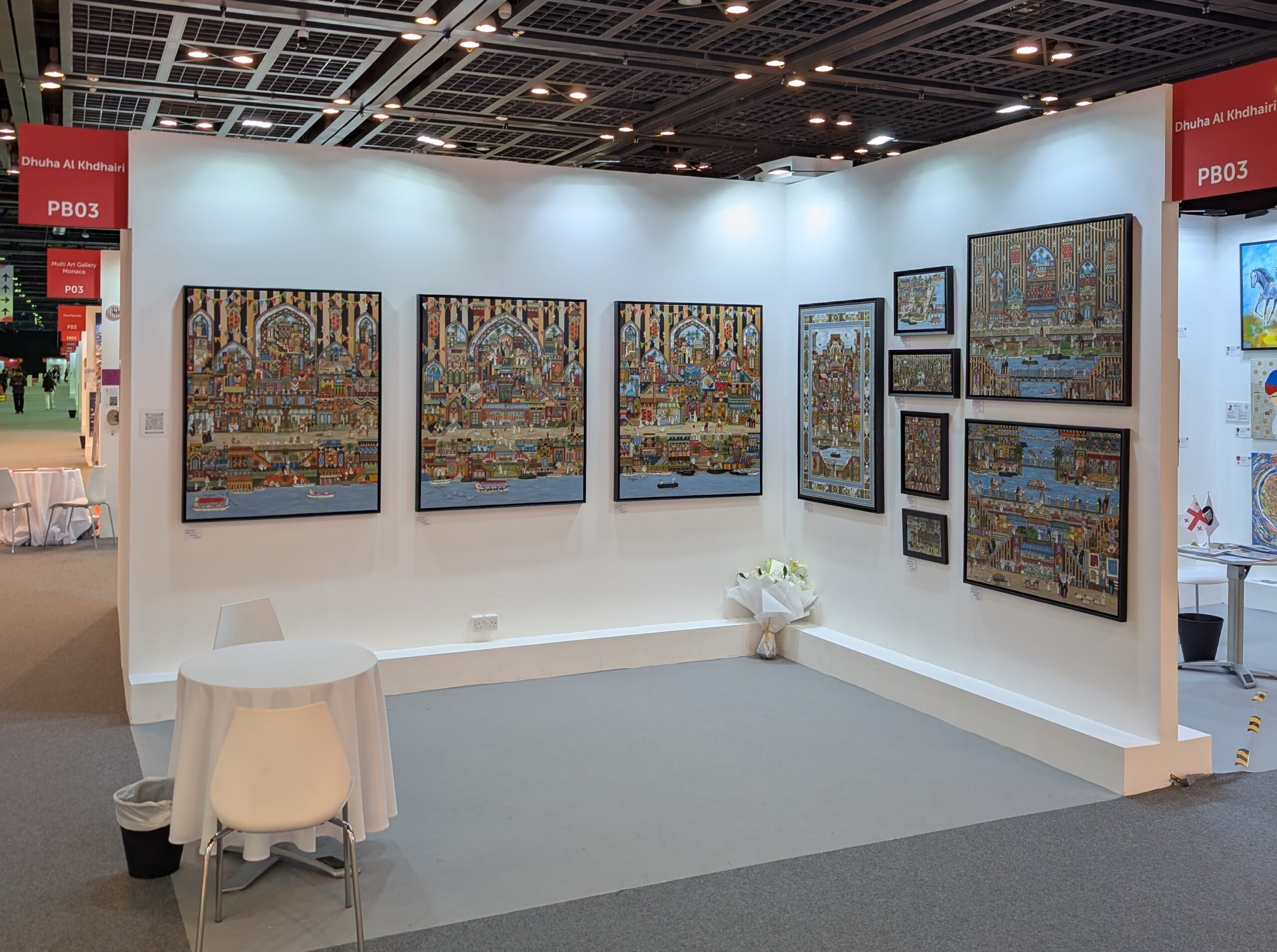

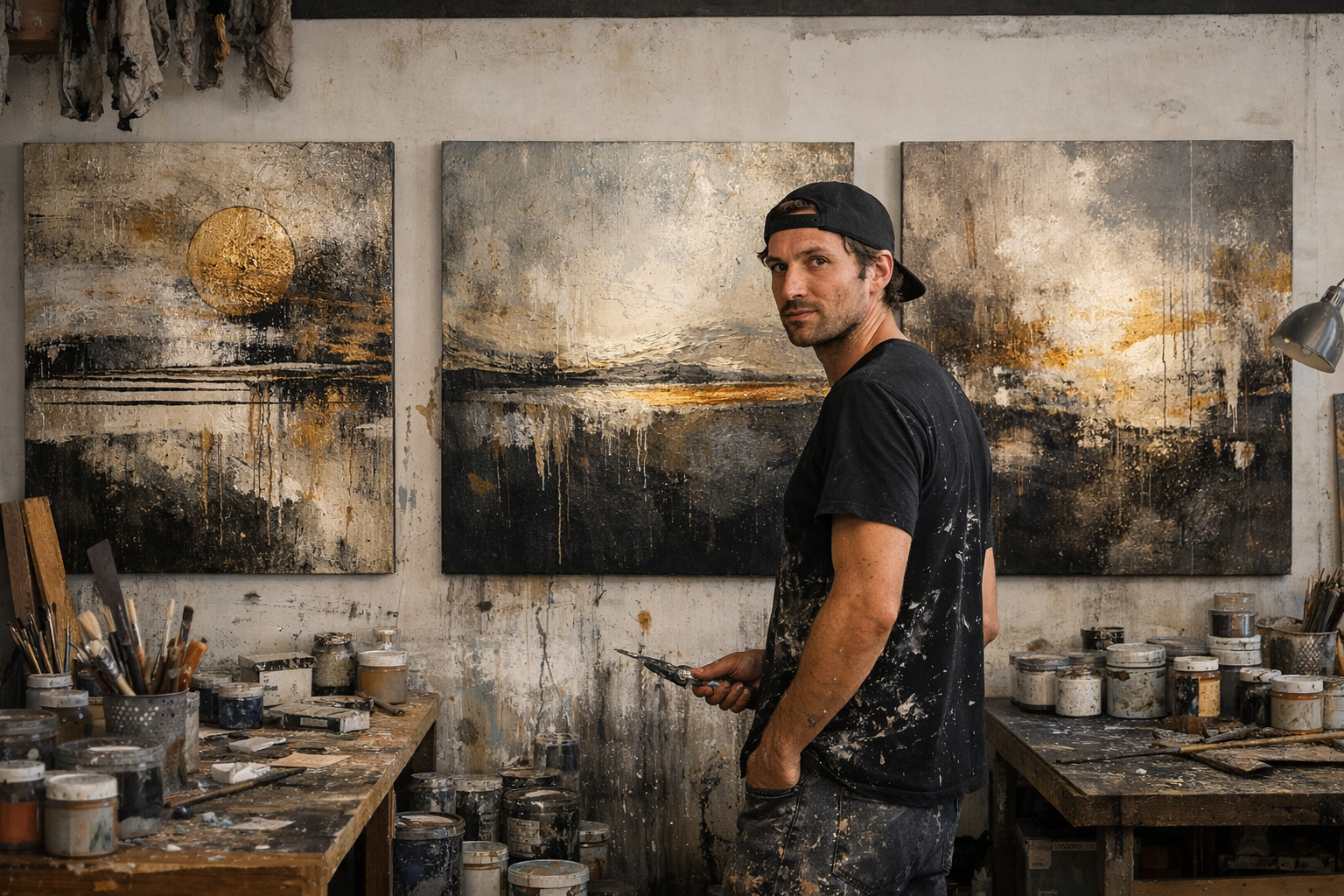
A signature style is one of the strongest career assets an artist can build.
Not because it traps you in repetition, but because it creates recognisability. And recognisability creates trust. Trust leads to follows, inquiries, collector confidence, gallery interest, and invitations to show your work.
If you want to stand out in a crowded art world, you do not need to paint the same image forever. You need a repeatable visual language.
That language can travel across sizes, price points, and series, while still giving you creative freedom.
Below is a practical system you can apply in any medium, including painting, mixed media, photography, drawing, sculpture, and digital work.
What a Signature Style Really Is
A strong signature style is not one repeated subject.
It is a repeatable visual language made of:
-
Materials and surfaces
-
Gestures and mark making
-
Composition rules
-
Colour logic
-
Emotional territory
-
Conceptual themes you return to
When these elements stay consistent, your work becomes recognisable even when the subject changes.
That is the goal: people should spot your work from across the room.
Why a Signature Style Matters for Artists
A signature style helps you:
-
Stand out faster
Viewers and curators remember patterns. A clear style makes you memorable. -
Build recognition across platforms
Your Instagram grid, website portfolio, and exhibitions feel coherent. -
Sell more consistently
Collectors buy what they understand. A cohesive body of work feels investable. -
Raise prices more confidently
When your work looks like a world, not random experiments, your pricing ladder makes sense. -
Attract better opportunities
Galleries, art fairs, and festivals prefer artists who present a clear direction.
If your portfolio feels visually scattered, even strong individual works can get overlooked. Consistency is not a constraint. It is clarity.
Developing a Signature Style: The 10 Step System
The goal is to build a consistent body of works that is unmistakably yours, visually and conceptually. Use the steps below as your framework.
1) Define Your Non Negotiables
Pick three elements that should appear in almost every finished work. These become your signature anchors. Everything else can evolve.
Material anchor
Your core texture or surface language (examples: sand gel, resin skin, raw linen, stitched fabric, burned paper, industrial pigments).
Gesture anchor
A repeated action (examples: scraping, carving, layering, imprinting, stitching, controlled drips, precise line work, circular motion, spray fade).
Emotional anchor
The feeling or theme you return to (examples: memory, tension, healing, transformation, resilience, intimacy, displacement).
Mini exercise:
Write one sentence for each anchor. If you cannot describe it clearly, it is not stable enough yet.
2) Build a Controlled Material and Colour Palette (90 Day Rule)
Style becomes recognisable when your choices are disciplined.
For the next 90 days, work with:
-
3 core materials plus 1 accent material
-
2 to 3 core colours plus 1 optional accent colour used sparingly
This creates coherence and strengthens recognition, while still leaving room for experimentation.
Tip: If you work in black and white, your palette can be tonal (matte black, graphite, warm grey, bone white) plus one accent.
3) Develop One Hero Surface That Becomes Your Fingerprint
Collectors remember surfaces.
Define one signature surface you can describe in one clear sentence and repeat across a series, for example:
-
tactile relief with a polished finish
-
layered 3D texture with controlled abrasion and subtle glow accents
-
sculptural mixed media surfaces that feel like imprints of memory
Once defined, repeat this surface language across multiple works, even when the story changes.
Reality check: If your surface changes radically from piece to piece, it is hard to build recognition.
4) Work in Series: One Theme, Many Variations
Instead of producing unrelated single pieces, focus on series that build a recognisable world.
A strong series structure includes:
-
one central theme (memory, flashbacks, emotional intensity, transformation)
-
one composition rule (central focus, horizon split, vertical blocks, tension between void and density)
-
one controlled evolution (each new piece introduces one new variable, not five)
Series are how artists look professional. One off works are how artists look undecided.
5) Use the 80 20 Rule to Protect Creativity
To avoid feeling repetitive, keep the core language stable while leaving room for growth:
-
80 percent consistent language (materials, palette, surface, finish)
-
20 percent experimentation (one new technique tested in studies)
Experimentation should happen in studies first, not on your main works.
This is how you develop a signature style without getting bored.
6) Create Small Studies Before Scaling to Major Works
Signature style is developed through repetition and refinement.
For one month:
-
create 3 small studies per week (A4 to A3)
-
keep the same palette and materials
-
each study explores one question only (more negative space, heavier texture, cleaner edges, hidden glow)
At the end of the month, select the strongest studies and scale them into finished works.
This is how your style becomes intentional instead of accidental.
7) Run a Recognisability Test Every Two Weeks
Build objective feedback into your process:
-
place 6 of your works next to 3 works by other artists with a similar mood
-
ask three people: “Which works do you think are yours?”
-
if recognition is not clear, tighten your non negotiables and palette, then repeat
This test is brutally effective. It removes guesswork.
8) Create a Consistent Storytelling and Title Framework
Your visual language is only half the equation. Words help collectors enter your world.
Choose a consistent title logic:
-
emotional states
-
memory fragments
-
numbered chapters
-
place names
-
short poetic verbs
Write a repeatable three line text for each work:
-
what triggered the work
-
what transformation it represents
-
what you want the viewer to feel
This builds recognitional value beyond visuals. It also improves your website SEO, because your work has clear language attached to it.
9) Create a One Page Personal Style Guide
Keep it simple. This becomes your internal rulebook.
Include:
-
materials list
-
colour palette
-
surface and texture rules
-
composition rules
-
finishing rules
-
what you will no longer do going forward
If you want to develop a signature style as an artist, this page is your quality control system.
10) Build Three Price Tiers Using the Same Visual Language
To increase prices without losing coherence, design a clear ladder:
Entry tier
Smaller works, simpler compositions, same signature surface
Core tier
Medium works, full depth, main series pieces
Statement tier
Large works, highest complexity, most iconic examples of your language
All tiers must look like the same artist, just at different levels of scale and investment.
Common Mistakes That Kill a Signature Style
Chasing trends
Trend chasing creates short term attention and long term confusion. Your goal is recognisability, not imitation.
Changing materials every week
Viewers cannot connect your dots if you keep changing the dots.
Posting random experiments as “finished works”
Experiments are good. Label them as studies and keep your portfolio tight.
Building a style around one gimmick
A signature style should hold up across years. If it relies on one trick, it will collapse.
A Practical 90 Day Plan to Build Your Signature Style
Weeks 1 to 2
Define your three anchors. Choose your palette. Choose your core materials. Write your one sentence hero surface.
Weeks 3 to 6
Produce 12 to 18 studies. Same palette, same materials. One question per study.
Weeks 7 to 10
Select the strongest 4 studies. Scale them into finished works in two sizes.
Weeks 11 to 13
Start a series of 6 to 10 works using one theme and one composition rule. Run recognisability tests every two weeks.
By day 90, you should have a coherent mini body of work you can present with confidence.
Signature Style Checklist (Save This)
-
I can describe my style in 2 sentences
-
My palette is controlled and repeatable
-
My surfaces feel related across works
-
I have one consistent gesture or mark language
-
My portfolio looks like one artist, not five
-
I work in series, not random one offs
-
I can create the same visual language in multiple sizes
-
My titles and artwork texts follow a consistent logic
Want Help Building Your Signature Style Faster?
If you want a clearer artistic direction, stronger recognitional value, and a portfolio that looks ready for galleries and art fairs, I offer practical artist consulting through The Art Fair Guy.
Together we can define your signature anchors, build a style guide, tighten your portfolio, and create a series strategy that supports both visibility and sales.
If you want me to review your current body of work and map out a signature style plan, book a consulting session and bring 15 to 25 images of your latest works.
Contact us at office@theartfairguy.com
FAQs About Developing a Signature Style as an Artist
How long does it take to develop a signature style?
Most artists can create a clear, recognisable direction in 60 to 90 days with disciplined materials, a controlled palette, and consistent series work. A deeper signature style evolves over years, but recognisability can be built quickly.
Does having a signature style limit creativity?
No. A signature style is a framework that protects your freedom. You keep core anchors consistent while experimenting in a controlled way through studies and small variations.
What if I work in multiple styles?
You can, but separate them into distinct series with clear boundaries. If everything is mixed together, your audience will struggle to recognise you. Build one strong signature style first, then expand.
How do I know if my art is recognisable?
Run the recognisability test. Mix your works with similar artists and ask people to identify yours. If they guess correctly, your signature style is working.