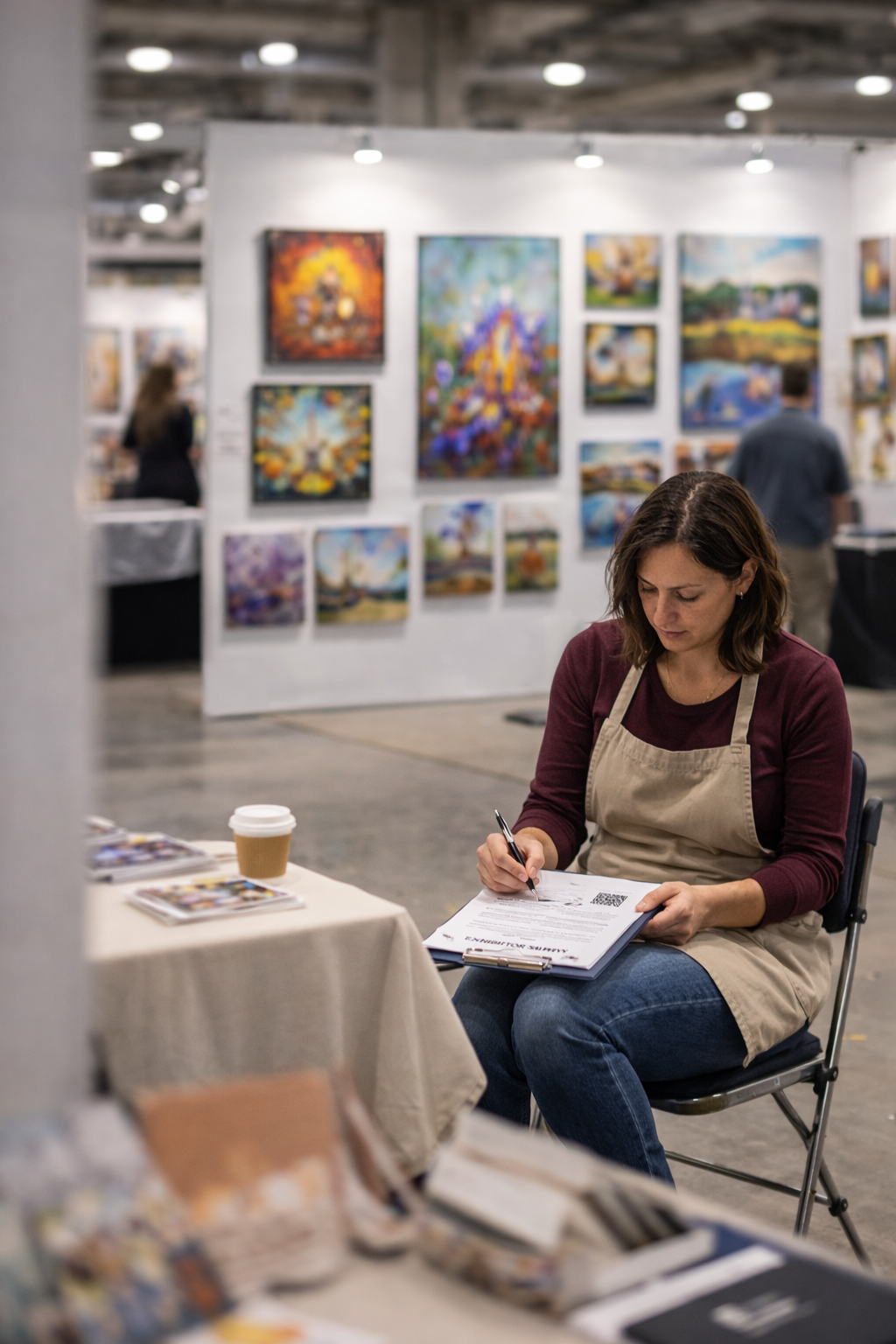

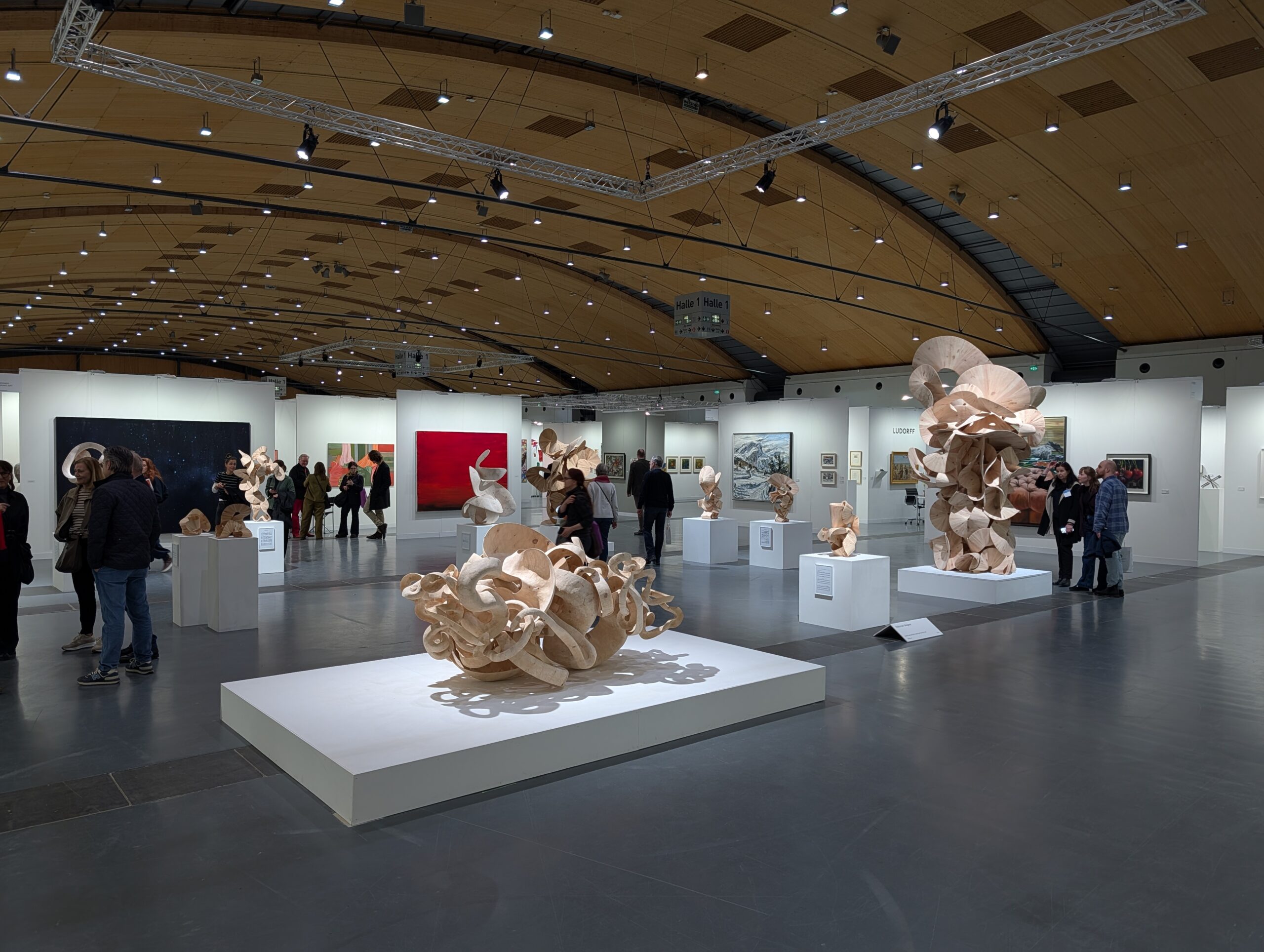
I visited art karlsruhe 2026 at Messe Karlsruhe and recorded a highlights video featuring the most interesting and promising positions and presentations I saw at the fair. What stood out immediately was the fair’s clarity: it does not try to be a spectacle-first mega-fair. Instead, it positions itself as a collector-friendly marketplace where Classic Modern and Contemporary can be viewed in one coherent visit.
Key facts at a glance
-
Where: Messe Karlsruhe, Karlsruhe, Germany
-
What: Classic Modern and Contemporary, with a strong collector focus
-
Signature format: sculpture:square and sculpture placements throughout the halls
-
Why it matters: one of Germany’s most reliable buying fairs, especially for the DACH and Upper Rhine collector base
What makes Art Karlsruhe valuable in Germany’s art fair landscape
Germany has strong art fair brands across different cities and segments. Art Karlsruhe’s value is its positioning as a collector-focused fair with regional strength and international reach, anchored in the border triangle of Germany, Switzerland, and France. That geography is not a footnote. It is a reason the fair consistently attracts buyers who come to look closely and acquire, not just to attend openings.
From a market perspective, this fair works because it bridges:
-
Classic Modernism and post-war positions that many German and Swiss collectors already trust
-
Contemporary discovery that feels curated and contextual rather than random
-
Sculpture as a headline category, not a side corridor
How Art Karlsruhe has changed over the years
Art Karlsruhe has matured into a fair with a recognizable identity. Over time, it has strengthened the elements that differentiate it from faster, trend-driven fair formats.
Three shifts are especially visible:
1) A stronger curatorial spine inside a commercial fair
The fair has become more readable. It feels less like a hall of disconnected booths and more like a structured journey through eras and positions, where galleries show with clearer intent and collectors can compare quality and value across decades.
2) Sculpture became a signature, not an accessory
The sculpture formats, especially sculpture:square, plus large-scale placements throughout the fair, create rhythm and scale. This changes visitor flow and encourages galleries to bring works that hold attention beyond the booth.
3) A clearer pitch to the next collector generation
Art Karlsruhe increasingly speaks to collectors who are building collections now: buyers who want trust, context, and manageable discovery. The fair is not trying to be the loudest. It is trying to be the most dependable.
Highlights that shaped my visit
Every edition is different, but these were the recurring strengths that defined the experience for me:
-
A wide time span in one visit: classic and contemporary side by side makes comparison easier and buying decisions more confident
-
Strong presentations over noise: many galleries focus on clean hangs and coherent positions, which suits serious collectors
-
A navigable, calm fair rhythm: it rewards slow looking, and that matters in a market where buyers are selective
Why this fair is a major player in Germany
Art Karlsruhe is a major player because it consistently delivers what the German market values:
-
Trust in quality
-
A strong collector catchment area (DACH plus the Upper Rhine region)
-
A buying environment that feels confident, not rushed
It is a fair that still rewards serious looking, and that is a competitive advantage.
Work with The Art Fair Guy
If you are an artist or gallery considering German fairs and want a realistic recommendation on fit, positioning, pricing, and application strategy, you can work with me via The Art Fair Guy. More information about The Art Fair Guy Consultancy can be found here: https://www.theartfairguy.com/art-consultancy/