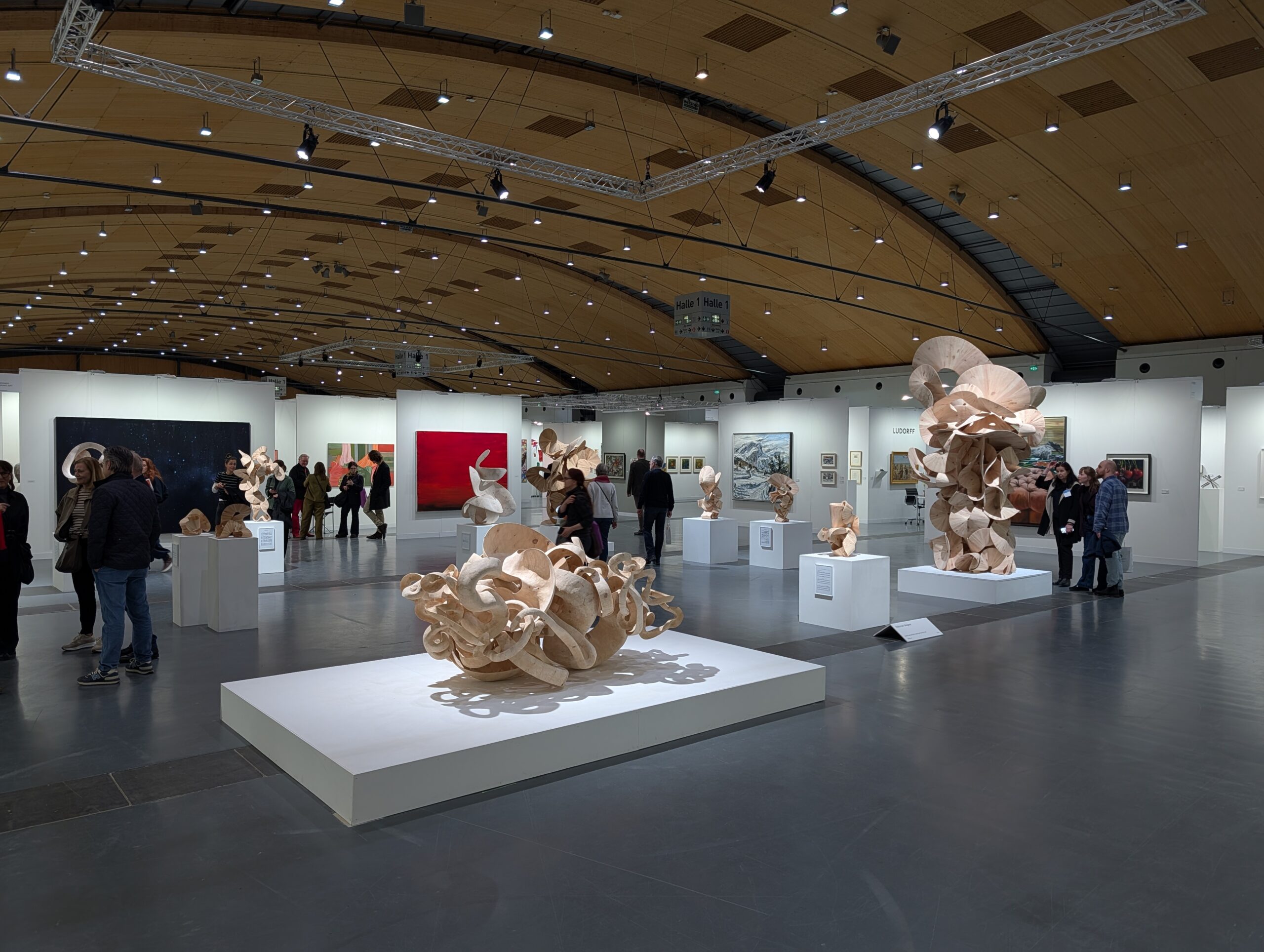


After an art fair or art festival, most organizers jump straight into the next edition. The problem is simple: if you do not measure exhibitor experience, you cannot improve it. You are left with anecdotes, assumptions, and noisy opinions.
A well designed exhibitor evaluation form is not admin work. It is your fastest route to better retention, better exhibitors, stronger sponsors, and a clearer reason why artists and galleries should return.
What an exhibitor evaluation form actually does
An exhibitor evaluation form is a structured post event survey that captures:
-
Commercial outcomes (leads, sales, collector quality, ROI perception)
-
Operational performance (setup, logistics, signage, support, security)
-
Marketing performance (visibility, audience targeting, communications)
-
Future intent (return likelihood, recommendation, upgrade potential)
Survey frameworks often recommend keeping post event surveys focused, goal driven, and sent quickly while memory is fresh.
Why you should never skip exhibitor feedback
1) Retention is cheaper than acquisition
If you want stable growth, you need a fair that exhibitors trust. A form gives you leading indicators before exhibitors quietly drop out next year.
2) It exposes the real drivers of satisfaction
Exhibitors rarely complain about one thing. They leave because multiple small frictions compound: unclear comms, weak visitor targeting, poor placement, slow onsite support, or confusing sales rules.
3) It strengthens your pricing logic
When you can show improvements backed by exhibitor feedback, it becomes easier to justify booth price increases, premium placements, and sponsor packages.
4) It creates proof for partners and sponsors
A sponsor wants evidence that your event performs. Aggregated exhibitor satisfaction and return intent help build a credible impact story.
When to send the evaluation form
Timing is everything. Many event survey best practice guides recommend acting quickly after the event, because details fade fast and response quality drops.
A simple timing approach that works:
-
Send within 24 to 48 hours after teardown
-
One reminder 3 to 5 days later
-
Close after 10 to 14 days so results can inform your next sales cycle
You can also run the exhibitor survey on the final day of the fair by handing exhibitors a printed QR code card or short paper form during closing hours, which increases response rates because they receive it physically and can complete it on the spot before they leave, instead of missing a follow up email.
The structure that gets high response rates
Keep it short enough to finish in 3 to 5 minutes. Use mostly scaled questions plus a few open fields.
Below is a proven structure you can copy.
Section 1: Profile and segmentation (2 questions)
You need these to interpret results correctly:
-
Exhibitor type: gallery, self representing artist, collective, institution, design, publisher
-
Booth size or package: wall length, corner, premium zone, sponsor add ons
Section 2: Overall satisfaction and loyalty (2 questions)
Include a standard recommendation question (often used as a net promoter score style metric).
-
Overall, how satisfied were you with the event (1 to 5)
-
How likely are you to recommend this event to a peer (0 to 10)
Section 3: Visitor quality and quantity (3 questions)
Survey templates commonly focus on booth traffic and lead quality because it is the core exhibitor outcome.
-
Quantity of visitors to your stand met expectations (1 to 5)
-
Quality of visitors and buyer relevance (1 to 5)
-
Quality of conversations and leads collected (1 to 5)
Section 4: Sales and ROI (2 questions)
Ask in ranges to make it easier to answer:
-
Estimated sales generated during the event (ranges)
-
Expected sales follow up in the next 3 to 12 months (ranges)
Section 5: Operations and exhibitor care (4 questions)
-
Load in and setup process (1 to 5)
-
Clarity of exhibitor handbook and rules (1 to 5)
-
Onsite support responsiveness (1 to 5)
-
Lighting, signage, WiFi, security, and visitor flow (1 to 5)
Section 6: Marketing and communications (3 questions)
-
Pre event communication clarity and usefulness (1 to 5)
-
Marketing helped attract the right audience (1 to 5)
-
VIP and collector programme usefulness (1 to 5)
Section 7: The two questions that unlock real improvement (2 questions)
End with open text fields:
-
What should we improve first for the next edition?
-
What was the best part of this edition for you?
Middle East specific questions you should add (GCC and wider MENA)
If you run events in the Gulf, add a short GCC module to catch the issues that matter locally:
-
Contract clarity, payment timelines, VAT invoicing
-
Shipping, customs support, and insurance guidance
-
Cultural programming expectations and audience mix
-
Bilingual needs: signage, staff support, exhibitor comms
-
Partner performance: venue management, mall or district operations
These questions make your form feel relevant, which improves response rates and usefulness.
How to turn feedback into real optimization
Step 1: Score and segment
Do not average everything into one number. Segment by:
-
returning vs first time exhibitors
-
premium vs standard placements
-
galleries vs self representing artists
Step 2: Identify your top 3 drivers
Look for patterns: which factors correlate with return intent and recommendation.
Step 3: Publish a short “You said, we did” update
This is the move most fairs skip. A one page recap builds trust and makes exhibitors feel heard. It also supports your next round of exhibitor sales.
Step 4: Update your exhibitor handbook and sales deck
If multiple exhibitors mention the same friction, it should be solved in writing and in process. If you do not have a strong exhibitor handbook yet, start here.
The consulting angle that actually helps
If you want an exhibitor evaluation form that genuinely improves your event, the key is not the software. It is the strategy:
-
asking the right questions for your fair model
-
keeping it short enough to complete
-
designing scoring you can act on
-
building an internal decision workflow so results change operations, marketing, and sales
This is exactly what I do in The Art Fair Guy consulting for art fairs and festivals in the Middle East, including GCC focused exhibitor strategy and optimization.
If you want, book a consultancy call and I will deliver a ready to use exhibitor evaluation form tailored to your format, plus a simple scoring dashboard and action plan for the next edition.
You can reach us at office@theartfairguy.com
FAQ
How long should an exhibitor evaluation form be?
Aim for 10 to 18 questions. Longer surveys reduce completion rates and increase low quality answers.
Should the survey be anonymous?
If you want honest operational feedback, anonymity helps. If you want account level follow up for retention, offer an optional name field at the end.
What is the single most important question to include?
Return intent and recommendation. A recommendation question on a 0 to 10 scale is widely used to benchmark loyalty style sentiment.
When should I share results with exhibitors?
Within 2 to 4 weeks. Share a short summary plus the top improvements you will implement.
Can exhibitor feedback help attract sponsors?
Yes. Aggregated exhibitor satisfaction and ROI perception support sponsor pitch decks, especially when paired with visitor data and media reach.