
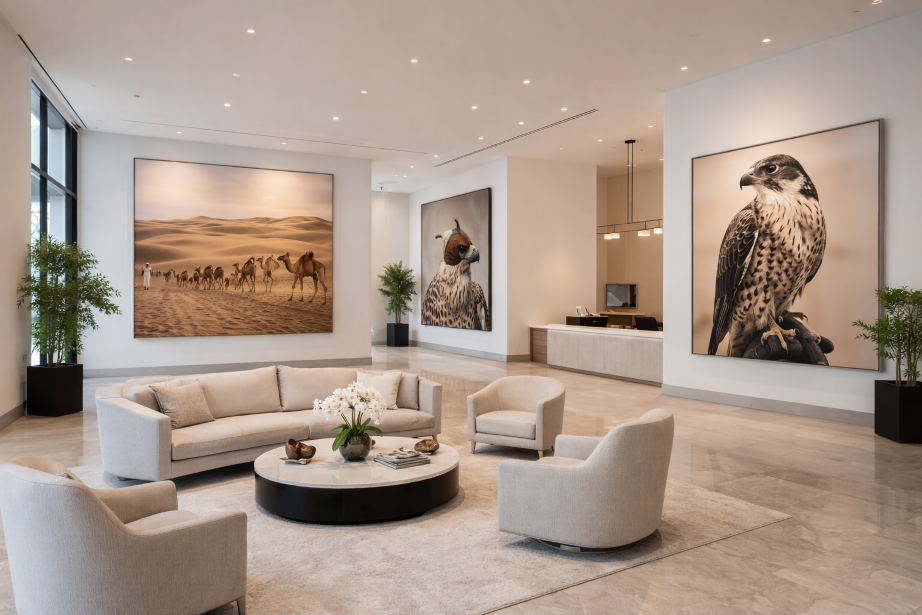
A hotel art collection can be one of your strongest brand assets, but only if it is curated with intention. Too often, art ends up as expensive decoration: beautiful pieces that guests barely notice, with no story, no structure, and no connection to the hotel’s identity.
In the first article of this series, we covered the foundation: visibility and information. Great placement, consistent labels, QR codes, and simple art maps ensure artworks are not lost in the building.
This second article goes one level deeper: how to curate and acquire art strategically, so your collection becomes part of your brand language and guest experience, not an afterthought.
Why “strategic” curation matters in hospitality
Hotels have a unique challenge that museums do not: your audience is moving. Guests arrive with limited attention, different cultural backgrounds, and varying interest levels. Strategic curation solves this by making your art:
-
instantly readable
-
emotionally aligned with your brand
-
coherent across public spaces and rooms
-
operationally manageable for your team
-
valuable for PR, partnerships, and content
When the collection is coherent, everything becomes easier: signage, QR pages, tours, storytelling, and staff communication.
Step 1: Define the role of art in your brand
Before you buy anything, answer one question:
What should guests feel and remember because of the art in our hotel?
Common positioning directions:
-
contemporary and cutting edge
-
heritage and cultural storytelling
-
local pride and community support
-
calm and wellness driven
-
bold, playful, social media friendly
-
luxury, rarity, and investment grade
Write a short “curatorial statement” in plain language, one paragraph maximum. This becomes your filter for every acquisition and commission.
If you cannot explain your collection in a paragraph, guests will not feel it.
Step 2: Build a collection framework that fits your hotel
Think in chapters, not random purchases.
A simple framework that works
Use 3 to 5 chapters that can guide the whole building.
Examples:
-
Local contemporary artists
-
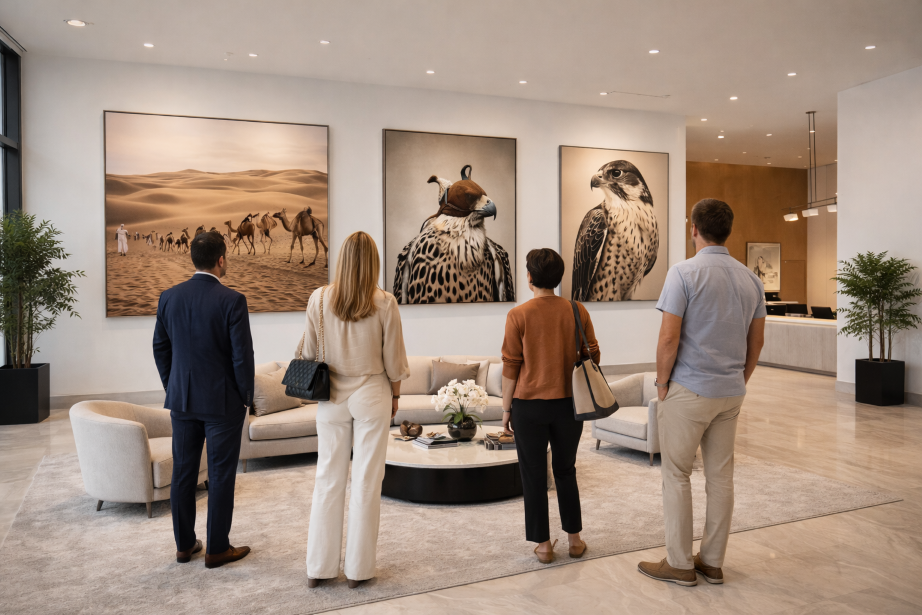
Regional photography and landscape
-
Craft and material culture dialogues
-
Abstract works that support the interior palette
-
Signature commissions tied to the hotel story
Each chapter should have:
-
a clear reason it belongs to your brand
-
a consistent look and mood
-
a defined placement plan in the hotel
This also helps with the visibility system from the first article: guests understand “Lobby Collection” and “Floor 6 Photography Route” much faster than an inventory list.
Step 3: Decide what you acquire, commission, and rotate
There are three practical ways to build a hotel collection. The best programs combine all three.
1) Permanent acquisitions
Best for:
-
signature lobby works
-
pieces that define the brand identity
-
artworks that will appear in press photos for years
Rule: fewer, stronger, better placed.
2) Commissions
Commissioned art is often the most powerful because it is exclusive and linked to your story.
Best for:
-
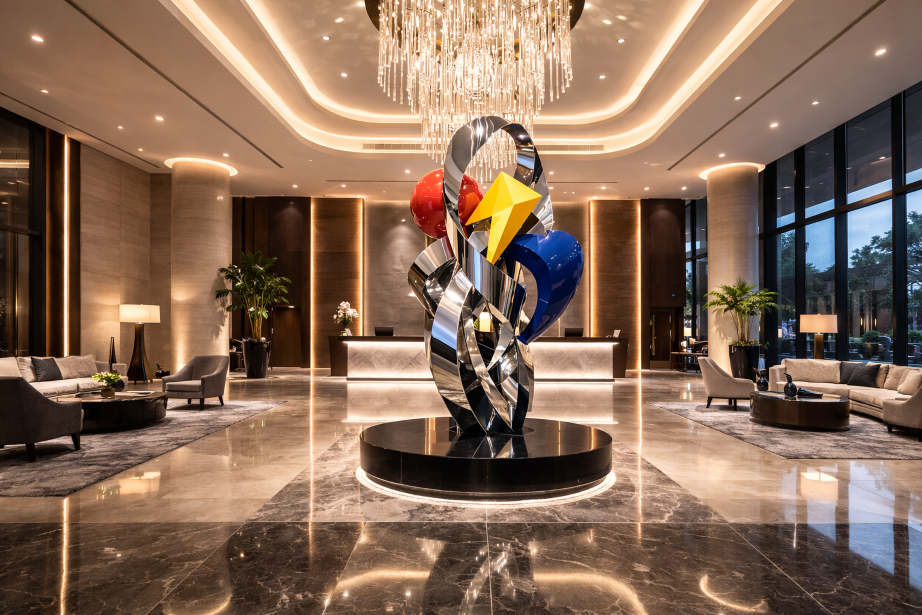
hero works in entrance, reception, restaurants
-
site specific installations
-
works that integrate local culture or materials
Commissioning also creates content: behind the scenes, artist interviews, unveiling events.
3) Rotating exhibitions and loans
Rotation keeps the hotel fresh and gives local audiences a reason to return.
Best for:
-
corridors and secondary areas
-
pop up show spaces
-
partnerships with galleries, institutions, and festivals
Rotation works only if you already have the basics from the first article: labels, QR pages, and an art map that can be updated easily.
Step 4: Create an acquisition policy that protects quality
Hotels often make the same mistakes:
-
buying based on personal taste of one stakeholder
-
mixing styles without a strategy
-
buying too much at once
-
ignoring installation, lighting, and maintenance realities
-
missing documentation and rights
A strong acquisition policy includes:
-
selection criteria aligned with the curatorial statement
-
budget ranges for different zones
-
rules for editions, authenticity, and documentation
-
installation requirements and safety standards
-
maintenance guidelines and responsibility
-
image usage rights for marketing and social media
This prevents expensive confusion later.
Step 5: Budget like a professional, not like a decorator
Art budgets fail when hotels only budget for the artwork price.
A realistic art budget includes:
-
artwork cost or artist fee
-
framing and mounting
-
lighting upgrades where needed
-
transport and installation
-
insurance and condition reporting
-
labels, QR codes, and web pages
-
ongoing rotation and maintenance
Even if you keep the digital layer simple, you need a plan for keeping the information accurate. Otherwise the collection loses credibility fast.
Step 6: Source art in ways that strengthen your hotel’s network
Where hotels should source art depends on the brand positioning, but the best sourcing creates relationships.
Smart sourcing channels
-
local artists directly (especially for commissions)
-
reputable galleries for curated quality and documentation
-
art fairs for efficient discovery and price comparison
-
local institutions and cultural foundations for partnerships
-
curated open calls for community connection
If your hotel is in the Middle East, local relevance is a strong advantage. Guests and media respond well when hotels support the regional creative ecosystem, not only imported names.
Step 7: Make placement part of the curation, not an afterthought
Curation is not only what you buy. It is where it lives.
Use a zoning approach:
-
Hero zones: entrance, lobby, signature restaurant. Highest quality, strongest narrative.
-
Experience zones: lounges, meeting areas, elevators. Works that support mood and conversation.
-
Discovery zones: corridors, secondary spaces. Series based works, photography, rotating displays.
-
Private zones: guestrooms and suites. Calm, consistent, and readable.
This connects directly to the first article: visibility comes from curating for pause points, lighting properly, and giving artworks breathing room.
Step 8: Build a story layer that turns art into marketing
A strategic collection produces content continuously:
-
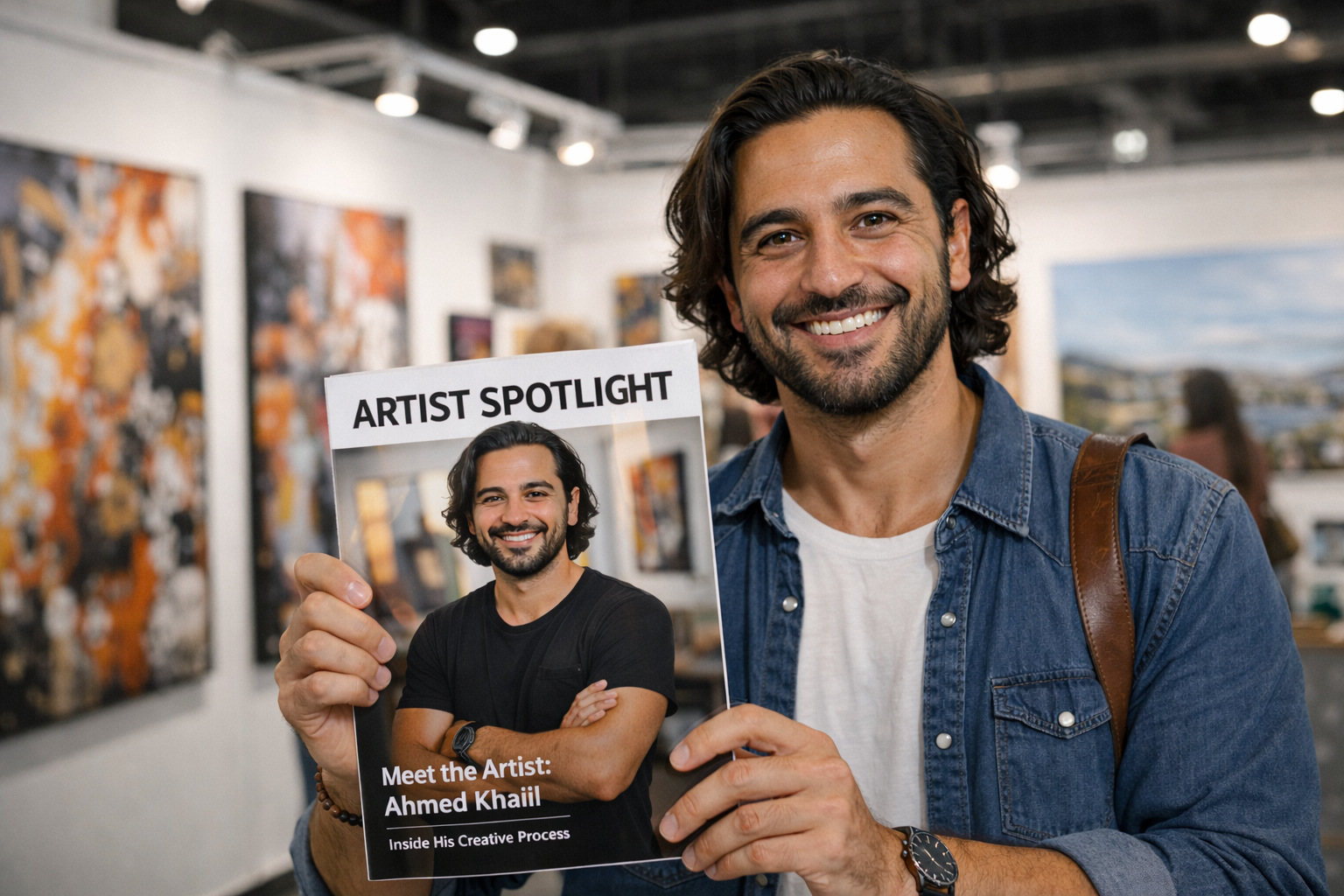
artist spotlights
-
behind the scenes of commissions
-
seasonal rotation announcements
-
guided tour highlights
-
cultural partnership news
This content improves:
-
PR
-
organic search visibility
-
brand differentiation
-
guest experience
-
local community engagement
The more coherent the collection, the easier it is to tell stories that people actually share.
Step 9: Measure success with simple KPIs
Hotels should treat art like a guest experience product. Track:
-
QR page visits and tour clicks
-
mentions in reviews and social posts
-
event attendance for art programming
-
press coverage and backlinks to your hotel website
-
partnerships generated through the collection
-
staff feedback on guest questions and engagement
You do not need complex analytics. You need consistency.
A quick blueprint: a strong hotel art collection in 90 days
If you are starting or restructuring:
Weeks 1 to 2: define curatorial statement, chapters, zoning plan
Weeks 3 to 6: select 20 to 50 works, commission one hero piece
Weeks 7 to 10: install with lighting upgrades, labels or numbering
Weeks 11 to 12: launch a web based art map and a 10 minute self guided tour, plus a small PR push
This creates a collection that is visible, understandable, and aligned with your brand.
Want help curating and acquiring your hotel collection?
The Art Fair Guy consultancy supports hotels with:
-
defining a curatorial strategy aligned with brand and guest profile
-
sourcing and shortlisting artists and galleries
-
commissioning processes and contracts
-
placement planning, labeling standards, and QR based information systems
-
programming ideas that generate press, backlinks, and repeat visits
If you are building a hotel collection that should be remembered, not ignored, contact us at office@theartfairguy.com
Next in this hotel series
This article is part of an ongoing practical series for hotels that want to turn in house art from “nice decor” into a real brand and guest experience asset. In the next posts, we will go deeper into the full workflow:
-
How to Make Art Visible, Understandable, and Not “Lost” in the Building
-
How to run artist commissions and partnerships professionally
-
How to turn the art collection into PR content and measurable guest engagement
-
How to integrate art sales, if appropriate, without turning the hotel into a shop