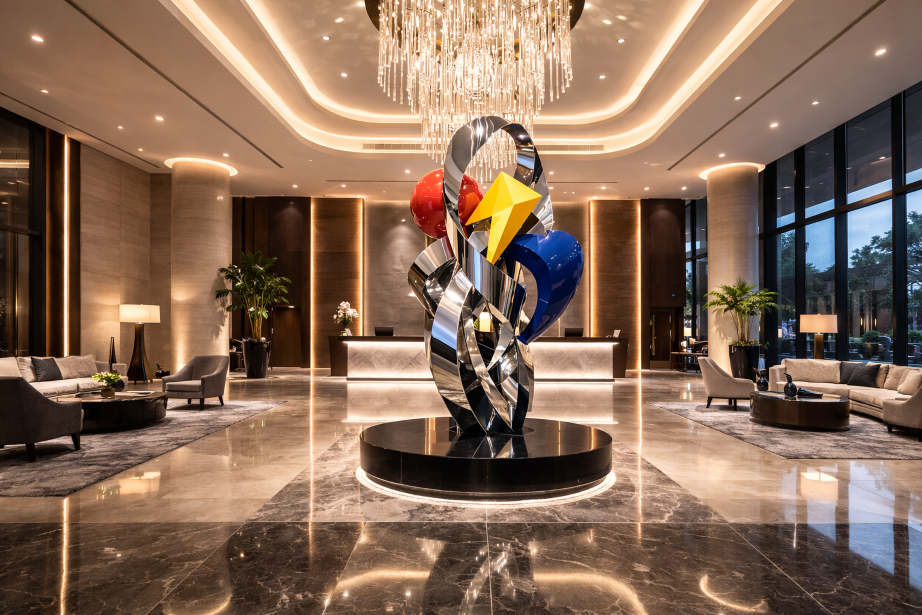

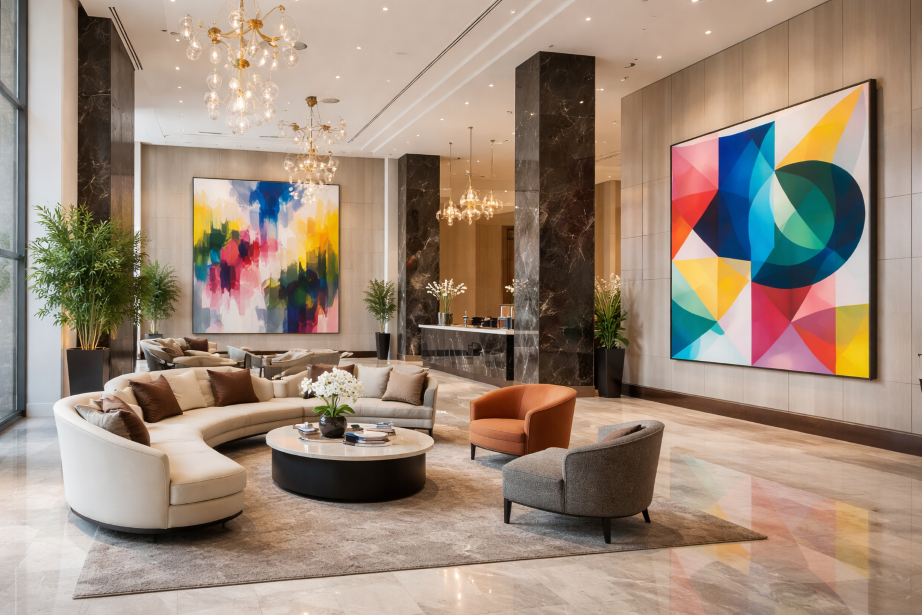
Many hotels invest in artworks, commissions, or curated collections to create identity and atmosphere. The problem is simple: guests often do not notice the art, and when they do, they rarely understand what they are looking at.
This is the first article in a series for hotels. It focuses on the foundations: visibility, placement, and information access. The goal is not to turn your hotel into a museum. The goal is to make the art discoverable, legible, and valuable to the guest experience, without adding friction to operations.
Why hotel art collections get ignored
Even strong collections disappear inside hotels for predictable reasons:
-
artworks are placed where people pass quickly, not where they pause
-
lighting is designed for ambience, not for viewing
-
there is no label, or the label is too small and inconsistent
-
guests do not know if the work is original, local, for sale, or part of a story
-
the hotel has no “system” that connects artworks into a coherent collection
The good news: you can fix most of this with simple operational upgrades, not expensive redesign.
Step 1: Make the art physically visible
1) Curate the “pause points”
Art performs best where people naturally slow down:
-
reception waiting area
-
elevator lobbies
-
corridors leading to restaurants, lounges, meeting rooms
-
near seating areas, not behind traffic
-
at the entry to signature spaces (spa, bar, rooftop, ballroom)
If a corridor is purely transit, use it for a series that reads quickly, not for your most important pieces.
2) Give artworks breathing room
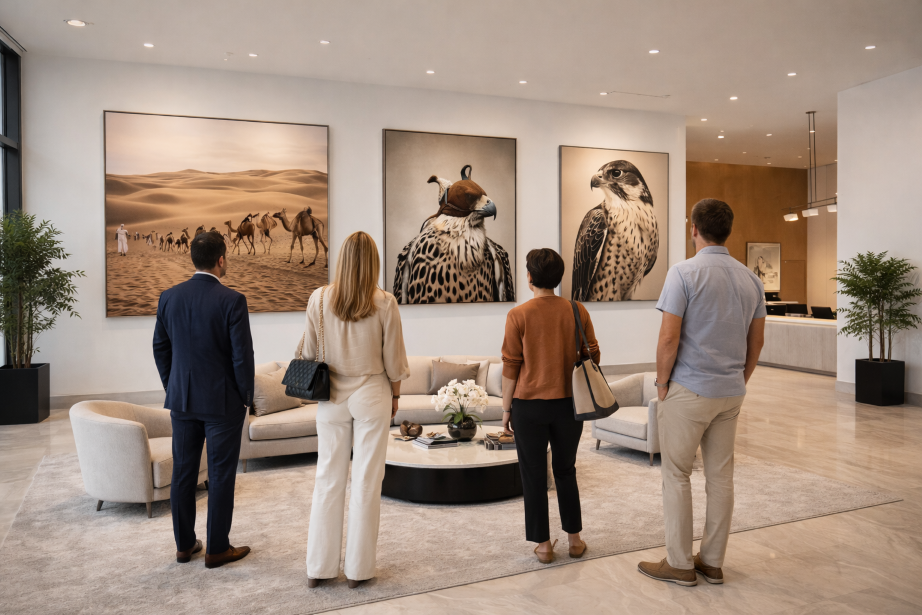
Crowding kills attention. If guests see “decor,” they stop looking. If they see “one piece that owns a wall,” they engage.
Simple rule:
-
fewer works per wall
-
consistent spacing
-
avoid placing art too high or too low
-
no visual clutter next to the work (signage, fire extinguishers, random decor)
3) Fix lighting with a few targeted moves
You do not need a gallery grid. You need basic legibility:
-
avoid glare from downlights on glossy surfaces
-
add adjustable spotlights for key works
-
ensure facial portraits are not in shadow
-
use consistent light temperature within one area
A single well lit hero piece can make an entire space feel curated.
Step 2: Create a simple identification system
Guests need to know “what this is” in two seconds. Hotels need a system that is easy to maintain.
Option A: Traditional wall labels (the gold standard)
Use a clean, consistent label format everywhere:
Artist name
Title, year
Medium
Size
Collection note (optional): Commissioned for the hotel, on loan, permanent collection
Make them:
-
readable at 1 to 1.5 meters
-
consistent typography
-
placed at the same height throughout the property
-
durable and removable for rotation
Option B: Numbered labels plus a guide
If you want minimal wall text, do this:
-
place a small number next to each artwork (001, 002, 003…)
-
provide the details via a printed guide, a QR code, or a webpage
This is great for hotels with many works, rotating displays, or multiple floors.
Option C: Room specific art cards
For guestrooms and suites:
-
place a small art card on the desk or nightstand
-
include artist, title, short story, and a QR code for more
-
add “If you love this artwork, explore the hotel collection” with a link
This turns private viewing time into engagement.
Step 3: Give guests information in the way they actually consume it
Most guests will not download an app just for art. Your job is to offer multiple access levels.
Level 1: Instant info with QR codes
A QR code should lead to a mobile friendly page that loads fast.
Best practice:
-
one QR per artwork, or one QR per zone (Lobby Collection, Floor 3 Collection)
-
short URL as backup (some guests prefer typing)
-
multilingual toggle if you have international guests
-
clear photos of the artwork on the page so guests confirm they are reading the right entry
What to include on each artwork page:
-
artist bio (very short)
-
artwork story in 80 to 150 words
-
medium, size, year
-
“Where to find more in the hotel”
-
share button (optional, but powerful for visibility)
Level 2: A “Hotel Art Map” on your website
Create a dedicated page: Your Hotel Name Art Collection.
Include:
-
a simple floor map or list by area (Lobby, Restaurant, Spa, Floor 5)
-
thumbnails that open to detail pages
-
a short curatorial statement about the hotel identity
-
highlight local artists and commissions
This becomes a brand asset for marketing and SEO, not just guest info.
Level 3: A self guided tour with time options
Offer three routes:
-
10 minute highlights
-
25 minute core collection
-
45 minute full tour
Put it on:
-
QR posters at reception and elevators
-
the in room TV menu
-
the hotel app, if you have one
-
a printed leaflet for guests who prefer analog
Level 4: Staff led tours and micro moments
You do not need daily tours. You need smart moments:
-
weekly art walk for guests
-
monthly curator talk in the lounge
-
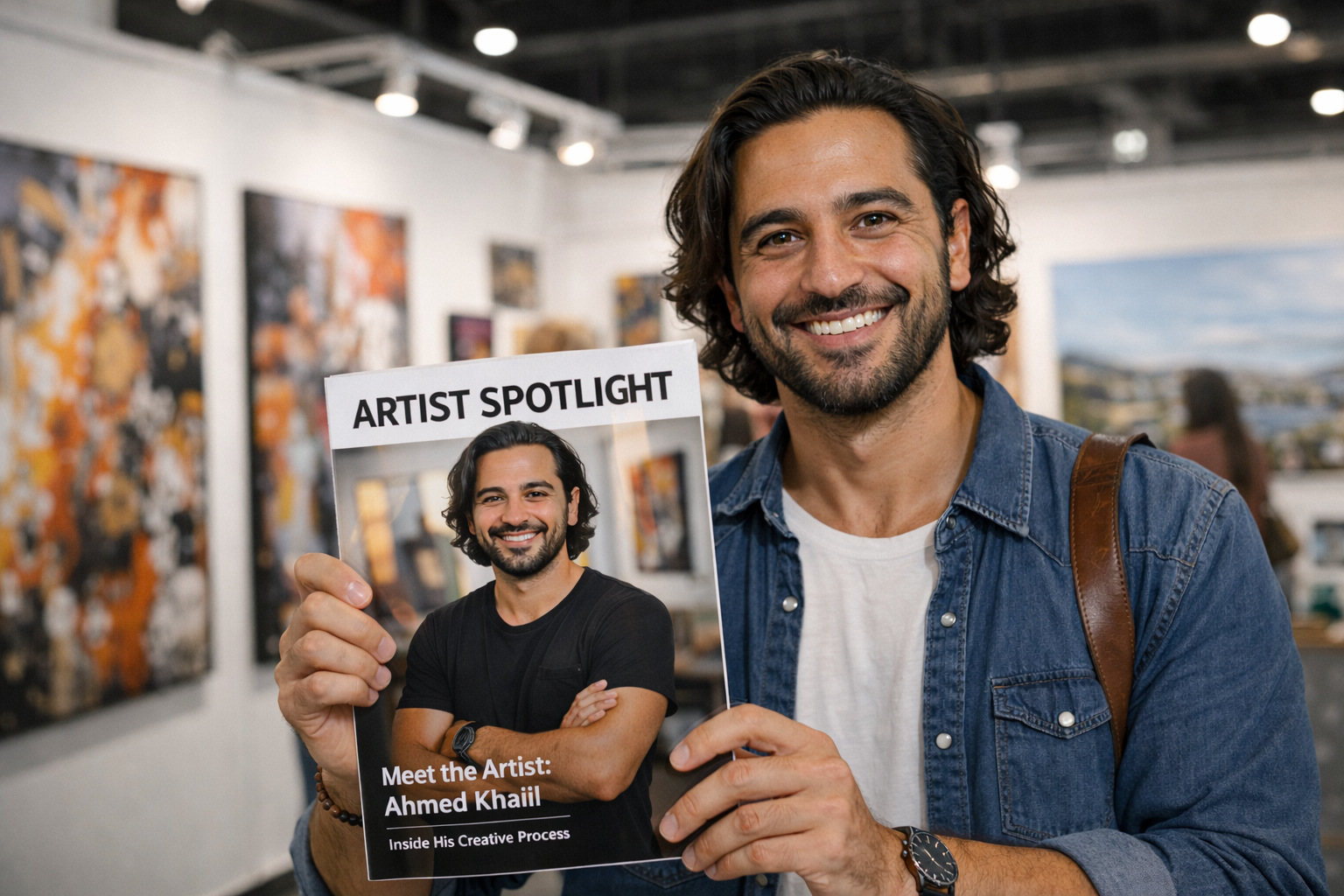
“Meet the artist” events for commissioned works
-
a short script for reception staff: “If you have 10 minutes, we have a small art route starting here.”
This creates cultural programming without heavy operations.
Step 4: Make the collection feel curated, not decorative
1) Write a simple curatorial statement
One paragraph that answers:
-
what is the collection about
-
why these artists
-
what guests should look for
Place it:
-
at reception as a small plaque
-
on the first page of the online guide
-
in your press kit and website
2) Group artworks into “chapters”
Guests understand collections through themes, not inventory lists:
-
Contemporary Gulf artists
-
Local photography
-
Abstract colour and movement
-
Heritage and craft dialogues
-
Commissioned signature pieces
This makes the hotel collection memorable.
3) Rotate and label the rotation
If you rotate works, announce it:
-
“New works this season”
-
“Spring collection highlight”
-
“Artist of the month”
Rotation creates return attention from repeat guests and local audiences.
Step 5: Add operational standards so art stays professional
Hotels lose the value of art when standards slip. Create a simple internal checklist:
-
artwork placement approved, not improvised
-
frames and mounts consistent and secure
-
cleaning guidance for housekeeping (no harsh chemicals on surfaces)
-
condition checks every quarter
-
clear policy for damaged works and guest incidents
-
clear ownership status: owned, commissioned, loaned, rented
Even a one page SOP protects the collection long term.
Optional extras that guests love
-
Audio guide: 30 to 60 second audio per artwork via QR
-
Kids route: 5 artworks with fun prompts
-
Social ready backdrops: one curated photo spot with a caption and tag
-
“Collect this” option: if some works are for sale, make it discreet and professional
-
Printed mini catalogue: a small booklet for suites and VIP guests
A practical starter package for any hotel
If you want a simple first phase, do this in 30 days:
-
Select 20 highlight works
-
Improve lighting for 5 hero works
-
Add consistent labels or numbering
-
Build a mobile friendly web page with entries
-
Add a 10 minute self guided tour route
-
Train reception to mention it naturally
This creates immediate visibility without disrupting the hotel.
Next in the series
The next articles in this hotel series will cover:
-
how to curate and acquire art strategically for your brand
-
how to run artist commissions and partnerships professionally
-
how to turn the art collection into PR content and measurable guest engagement
-
how to integrate art sales, if appropriate, without turning the hotel into a shop
Want help setting this up?
If your hotel has a collection already and you want it to feel curated, understandable, and visible, The Art Fair Guy consultancy can help you design the full system: artwork labeling standards, QR and web guide structure, tour routes, and a simple operational playbook your team can maintain. Contact us at office@theartfairguy.com