
Commissioning artists can be one of the most effective ways for a hotel to build a distinctive identity. A well executed commission becomes a signature: guests photograph it, staff reference it, media uses it in coverage, and it quietly anchors the hotel’s cultural positioning for years.
But commissions also fail often. Not because artists are difficult, but because hotels treat commissions like decoration procurement. The result is misaligned expectations, unclear budgets, late delivery, installation problems, and rights issues that appear only when marketing wants to use images.
In the previous article, we covered how to curate and acquire art strategically for your brand, and how that strategy connects to the foundational visibility system: proper placement, clear labels, QR codes, and an art map on your website. This article focuses on the next step: running commissions and partnerships with professional structure, so your project is smooth, fair, and brand safe.
What a “professional commission” actually means
Professional commissioning in hospitality is built on four pillars:
-
Clarity: the artist knows what success looks like
-
Fairness: the artist is paid properly and treated with respect
-
Risk management: contracts, insurance, and approvals protect both sides
-
Integration: the artwork is installed, documented, and made accessible to guests through labels and digital information
If you do those four well, everything else becomes easier.
Step 1: Decide what you are commissioning and why
Start with a simple question:
What role should this commission play in the guest journey and the hotel brand?
Typical hotel commission types:
-
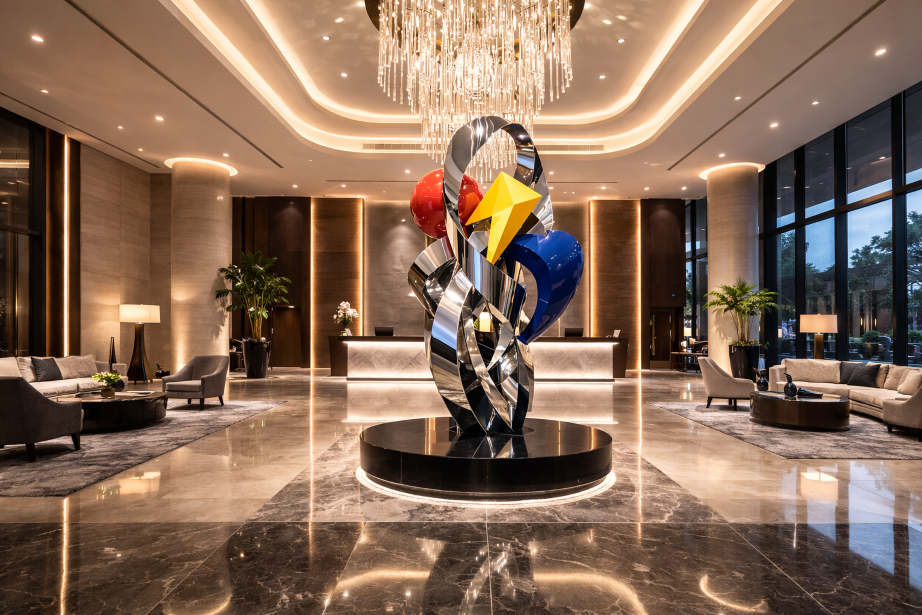
Hero piece for lobby or entrance (first impression)
-
Site specific installation for bar, restaurant, spa, or rooftop
-
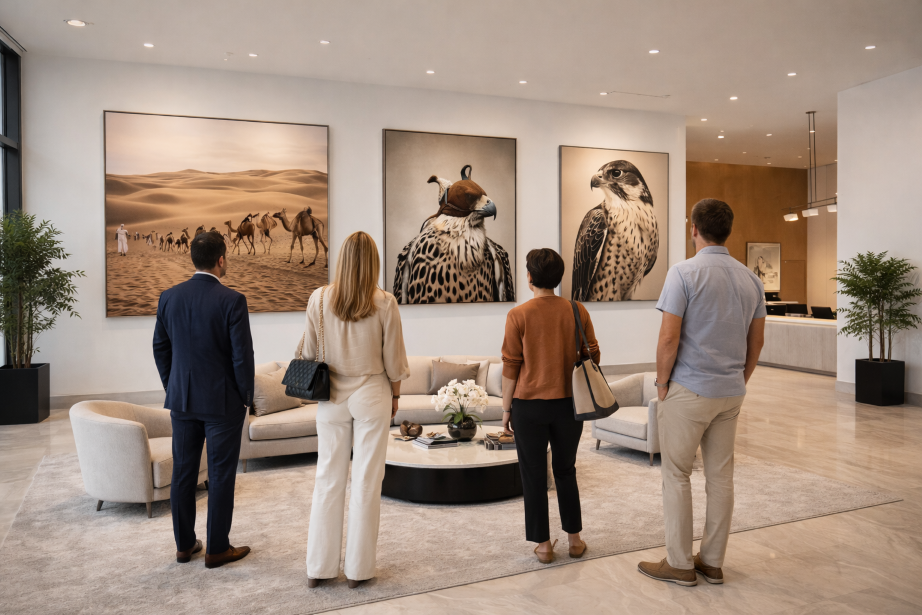
Series for corridors and elevator lobbies (creates a coherent route)
-
Room works (calm, consistent, scalable)
-
Digital or interactive works (screen based, AR layers, sound works)
Tie the commission directly to the brand strategy from the previous article:
-
contemporary edge
-
heritage story
-
local community support
-
wellness and calm
-
playful social moments
-
luxury and craftsmanship
If you cannot explain why the artwork belongs in your hotel, the guest will feel it as random.
Step 2: Write a commission brief that artists can actually use
A good brief is not an essay. It is a clear decision tool.
Include:
-
Context: hotel identity, guest profile, location, design concept
-
Site details: exact wall or space, dimensions, materials, footfall, lighting, power access if needed
-
Creative direction: themes, values, what you want to evoke, and what to avoid
-
Deliverables: number of works, formats, technical requirements, installation expectations
-
Budget range: state it. Do not hide it.
-
Timeline: milestones and install dates
-
Approvals: who signs off and how many feedback rounds
-
Usage: where the work will appear (website, PR, in room material, signage, social)
Hotels that communicate clearly attract stronger proposals and avoid conflict.
Step 3: Set a realistic budget and payment structure
Commission budgets should cover more than the artist’s time.
Build a budget that includes:
-
artist fee
-
production costs and materials
-
framing or fabrication
-
transport and handling
-
installation costs and equipment
-
insurance during production and transport
-
signage and QR code info layer
-
documentation (professional photography)
Payment structure should reduce risk for both sides. A common approach:
-
40% on contract signing
-
40% on mid milestone approval
-
20% after installation and handover
For longer projects, add milestones rather than delaying most payment until completion.
Step 4: Use contracts that cover the real issues
This is where most hotel projects get messy.
Your contract should clearly define:
Scope and deliverables
-
what is being created
-
how many works
-
size, medium, technical requirements
-
what is included and excluded
Timeline and milestones
-
concept submission date
-
production start
-
progress review
-
delivery
-
installation
-
handover
Payment schedule
-
tied to milestones
-
how changes affect cost
Intellectual property and image rights
Hotels often assume they can use images forever. Artists often assume they retain all rights. Solve it upfront.
Define:
-
hotel’s right to photograph and use images for marketing and PR
-
whether the artist can also use images
-
whether the hotel can reproduce the artwork in print, signage, or merchandise
-
credit line requirements
Installation and liability
-
who installs and who supervises
-
safety requirements
-
wall load limits and fixings
-
responsibility for damage during install
Maintenance and conservation
-
cleaning guidance
-
expected lifespan
-
replacement policies for fragile components
-
who pays for restoration and when
Cancellation and force majeure
-
what happens if construction delays occur
-
what happens if design changes remove the intended site
If your procurement team uses standard vendor contracts, adapt them. Artists are not furniture suppliers.
Step 5: Run approvals like a design project, not like taste feedback
Artists can handle feedback. What they cannot handle is endless subjective opinions from multiple stakeholders.
Set a clear approval workflow:
-
one project owner inside the hotel
-
one design stakeholder input stage
-
one final approval stage
-
maximum two feedback rounds per milestone
Define what is “non negotiable” vs what is flexible:
-
non negotiable: size, safety, brand values, guest appropriateness
-
flexible: palette nuance, compositional details, final titles
This protects the artist’s creative process and the hotel’s timeline.
Step 6: Manage the site and installation professionally
Your artwork is only as good as its installation.
Before the artist arrives:
-
confirm wall surfaces and fixings
-
confirm electrical needs, if any
-
confirm access, parking, loading dock rules
-
confirm working hours and permits
-
arrange ladder lifts or scaffolding where required
-
confirm security and storage for works before install
During installation:
-
ensure site is ready, clean, and not under last minute renovation pressure
-
document installation process for PR content
-
schedule a final inspection and sign off
After installation:
-
photograph the work in context
-
record final condition and installation details
-
add labels or numbering and connect to QR info pages
This links directly back to the first article in the series: the art must be visible, readable, and not lost.
Step 7: Build partnerships beyond commissions
Not every hotel needs to commission constantly. Partnerships can bring curation energy while controlling cost and creating community credibility.
High value partnership models:
-
Local gallery partnership: rotating exhibitions in agreed zones
-
Artist in residence: artist works on site and engages guests
-
Festival alignment: host talks, pop ups, or a satellite program
-
Corporate cultural partner: sponsor commissions, events, or catalogue production
-
University collaboration: curated student showcases with professional standards
Partnership success depends on two things:
-
the same curatorial framework from the previous article
-
the same visibility system from the first article
Without those, partnerships become clutter.
Step 8: Turn commissions into guest experience and PR assets
A commission should never end at “installed.”
Activate it:
-
a QR code page with story, artist bio, and behind the scenes images
-
a short self guided route that includes the new piece
-
a launch moment: cocktail, press preview, or VIP walkthrough
-
staff briefing so reception and concierge can talk about it
-
regular content: anniversary post, seasonal spotlight, artist update
This creates media friendly narratives and increases guest engagement without adding operational complexity.
Common mistakes hotels should avoid
-
commissioning without a brand strategy
-
unclear budget and vague scope
-
too many decision makers
-
no image rights agreement, then marketing cannot use content
-
installing without proper lighting and signage
-
failing to document the project professionally
-
no maintenance plan, leading to early damage and reputational risk
A professional process avoids all of these.
A simple commission workflow hotels can adopt
-
Define commission purpose and placement
-
Publish a clear brief and shortlist artists
-
Review proposals against your curatorial statement
-
Contract, milestones, and rights
-
Production check ins
-
Delivery and installation plan
-
Labels, QR info pages, website art map updates
-
Launch and ongoing activation
This workflow is repeatable, scalable, and easy for hotel teams to manage.
Want help running commissions and partnerships?
The Art Fair Guy consultancy supports hotels with:
-
commission briefs and artist shortlists
-
contract and process design
-
production and installation planning
-
signage, QR codes, and art map systems
-
partnership structures with galleries, festivals, and institutions
-
PR activation and measurable guest engagement
For commission or partnership inquiries, contact office@theartfairguy.com
Next in this hotel series
This article is part of an ongoing practical series for hotels that want to turn in house art from “nice decor” into a real brand and guest experience asset. In the next posts, we will go deeper into the full workflow:
-
How to Make Art Visible, Understandable, and Not “Lost” in the Building
-
How to Curate and Acquire Art Strategically for Your Brand
-
How to turn the art collection into PR content and measurable guest engagement
-
How to integrate art sales, if appropriate, without turning the hotel into a shop