
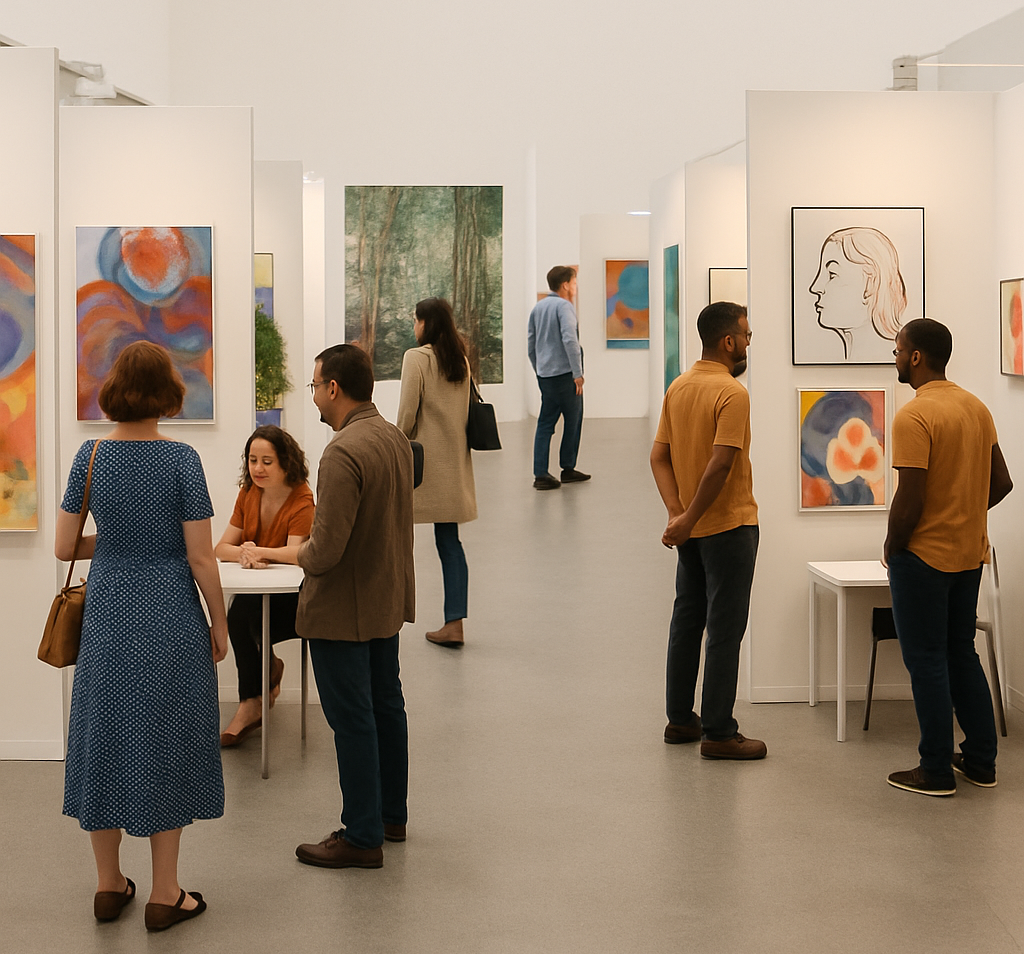
For decades the international art fair calendar was built around one core idea: galleries rent booths, bring their artists and sell. That model is now under pressure. A cooling global market, rising costs and a better educated generation of artists are pushing fairs to rethink who their real “clients” are – galleries or artists.
At the same time, new art hubs in the Middle East and Asia are growing fast and experimenting with more flexible formats, from mixed models like World Art Dubai to the upcoming Art Basel in Qatar.
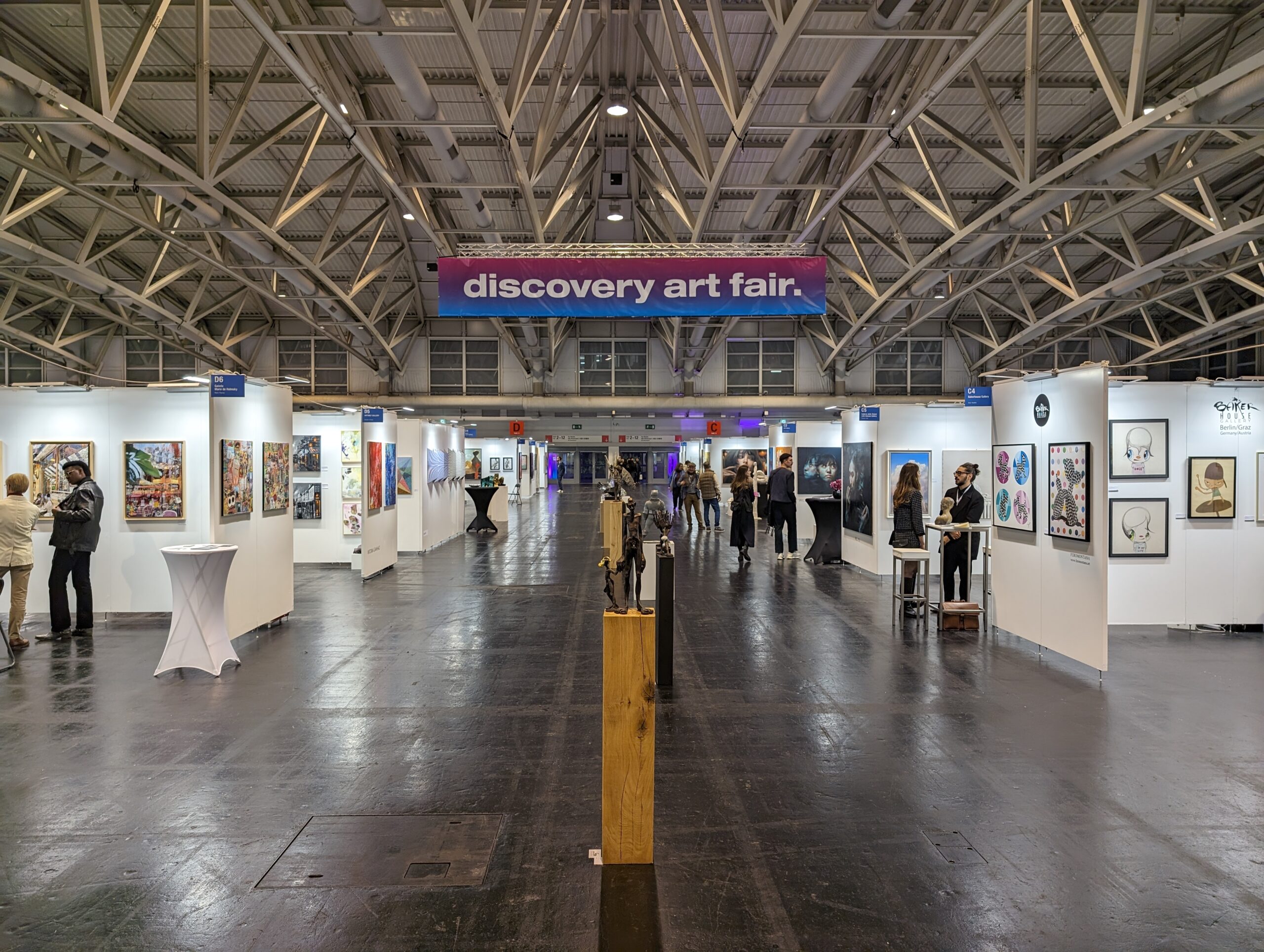
The result is a silent but profound shift: from gallery focused art fairs to artist focused ones.
The backdrop: a stressed gallery system and shrinking fair landscape
The Art Basel and UBS Art Market Report shows that the global art market fell about 12 percent in value in 2024, with sales down across the United States, China and major European markets.
Fairs are not immune. Between 2020 and 2023, 129 art fairs closed while only 39 new ones launched – a clear sign that the traditional model is under strain.
Galleries, the core customers for fairs, are feeling the squeeze:
-
In France, gallery turnover dropped on average 6 percent in 2024 and 85 percent of dealers reported pessimism about their sector’s health.
-
Even major players are affected – Hauser and Wirth recorded a 90 percent drop in UK pre tax profits in 2024 amid a general decline in high end art sales.
-
Surveys highlight economic uncertainty, more cautious collectors and decreased demand as key challenges for galleries globally.
When gallery margins are shrinking, expensive fair booths become harder to justify. If a booth no longer reliably produces strong sales or gallery branding benefits, galleries question their presence – and fairs lose their traditional anchor tenants.
The rise of the independent artist as market player
While many galleries struggle, artists are becoming more proactive and business savvy. Several long term trends drive this:
-
Direct to collector channels through Instagram, TikTok, online viewing rooms and artist led shops.
-
Affordable production tools for printing, framing, shipping and even NFT style digital editions.
-
Education content – from YouTube to specialised blogs – that explains pricing, contracts, marketing and fair participation from the artist’s perspective.
Research into artist led and alternative spaces shows that artists use self organisation to reduce dependence on traditional galleries and to exercise more control over their careers, especially in uncertain markets.
In the Gulf region this shift is particularly visible. Platforms that track GCC fairs show a growing number of events where solo artists can apply directly without gallery representation, including World Art Dubai, Art Bahrain Across Borders and some editions of affordable art fairs.
For many mid career and emerging artists, a solo booth at a commercial fair now looks like a realistic investment – and sometimes a better one than waiting for a gallery invitation that may never come.
Two diverging fair models
As a result, we can observe two broad directions in the fair landscape.
1. The artist friendly fair
These fairs either mix galleries and self representing artists or focus entirely on artists. Typical features:
-
Direct applications from artists with relatively simple online forms and transparent pricing.
-
Smaller booth modules that fit one or two walls, making entry costs lower.
-
Payment plans or shared booths where collectives or artist duos split costs.
-
Educational content in the form of talks about pricing, social media, contracts and shipping.
World Art Dubai is a good example in the Middle East. The fair positions itself as accessible and democratic, welcoming around 300 participants, including many self represented artists, and pricing much of the work under AED 15,000 to attract first time buyers.
Globally, fairs like The Other Art Fair or Superfine (North America and Europe) operate similar models, selling booths directly to artists and marketing themselves as doorways into collecting for a younger audience.
2. The gallery anchored, institutionally aligned fair
At the other end of the spectrum are fairs that double down on galleries and museum level programming.
Art Dubai continues to operate with a strong gallery programme, carefully curated sections and a close relationship to institutions and collectors. Abu Dhabi Art has a similar profile, integrating galleries with museum partners and public commissions.
The planned Art Basel Qatar in Doha is expected to follow this model, starting with about 50 exhibitors and focusing on brand positioning and institutional partnerships rather than high volume booths.
These fairs still rely on galleries but try to offer added value: museum connections, curatorial prestige and access to very high net worth collectors.
Read more about the different types of art fairs here:
Why fairs are opening the doors to artists
Even fairs that were historically gallery only are now testing artist oriented formats – sometimes out of conviction, sometimes out of necessity. Several forces push in the same direction:
-
Fewer galleries, more artists
In many markets the number of active galleries is stagnant or shrinking, while the number of professional or semi professional artists continues to grow. When galleries cut back on fair participation, organisers look at artists to fill the floor plan. -
Demand for affordable art
As the high end slows, collectors and new buyers look more at mid priced works. Art Basel itself showed more mid range pieces in 2025, as galleries responded to weaker demand at the top. Artist booths with original works between, say, 500 and 5,000 dollars fit this demand especially well. -
Marketing potential
A fair that showcases hundreds of artists – each with their own social media following – gains a powerful organic marketing network. Artists share posts, invite their collectors and amplify the fair brand far beyond what galleries alone might do. -
New revenue logic
For organisers, an artist focused fair can be more predictable in revenue terms. Fees are collected from many smaller booths rather than a smaller number of large ones. Extra services – printing, framing, shipping or digital promotion – can be sold as add ons. -
Public policy and regional strategies
In the Gulf and wider Middle East, governments use culture as a pillar of diversification and soft power. Initiatives in Saudi Arabia and the UAE support artist residencies, public art and creative industries, which in turn feed artist participation at fairs and festivals.
Risks and growing pains
This shift is not without friction. Both fairs and artists face new challenges.
For fairs
-
Brand positioning
Move too far towards “open call for everyone” and a fair risks losing high level galleries and collectors. Stay too exclusive and the financial model may not add up. Organisers must find a clear identity: affordable artist fair, experimental platform, regional hub or blue chip meeting point. -
Quality control
With hundreds of solo booths, curation becomes more complex. Some fairs respond with themed sections, pre selection juries or curated rows that mix artists and galleries to avoid a flea market feel. -
Service needs
Independent artists require more guidance than galleries: what kind of walls they get, how to install, how to price, how to insure their work. Fairs need stronger exhibitor support teams and clear manuals.
For artists
-
Financial risk
A booth fee, production costs, shipping, flights and accommodation quickly add up. Even at affordable fairs it is possible to leave with fewer sales than expenses. -
Professional standards
Without gallery support, artists must manage contracts, invoicing, transport, customs and after sales communication. That can be overwhelming without training. -
Reputation management
Some high end galleries still look sceptically at artists who heavily self promote at fairs, although this attitude is slowly changing as direct sales become normalised.
Middle Eastern fairs as laboratories for new models
The Middle East is an interesting case study because the regional market is still relatively young but growing fast. Reports highlight strong development of art hubs in the UAE and Saudi Arabia, attracting collectors, galleries and auction houses.
Within this context, different fair models coexist:
-
World Art Dubai mixes self representing artists with galleries and positions itself as an “affordable” fair where most works are accessible to first time buyers.
-
Art Dubai stays closer to the classic gallery format, yet emphasises artists from the Global South and digital innovation, which attracts younger collectors and institutions.
-
Future projects like Art Basel Qatar aim to connect regional ecosystems to the global blue chip circuit, potentially creating new demand both for galleries and independent artists from the region.
For observers of the Middle Eastern art market, fairs are therefore not just sales platforms but strategic tools for cultural positioning and tourism. That makes the question “gallery or artist” more than a logistical issue – it becomes part of national cultural policy.
How fairs can rethink their business model
The next generation of sustainable art fairs will likely combine elements of both models. A few strategic moves are already visible:
-
Hybrid floorplans
Separate yet linked zones: curated gallery sectors, emerging gallery rows, solo artist sections and project spaces. This allows different price segments and levels of professionalism to coexist without diluting the core brand. -
Services for artists and galleries alike
Instead of only selling square meters, fairs can offer marketing packages, data insights, VIP tour curation, content creation and education tracks. -
Year round communities
Many fairs now nurture online communities, mailing lists and content platforms to stay relevant outside the four days of the event. For artist focused fairs this is crucial, as many exhibitors return only if they feel long term support. -
Closer links to institutions
Museum partnerships, residency programmes, prize exhibitions and curated non commercial sections can help maintain quality and attract collectors even when the commercial market is soft. -
Regional specialisation
Fairs that understand their local context – whether that is the Gulf, North Africa, or specific sub regions – and position themselves as expert gateways to those scenes will stand a better chance than generic “international” fairs.
What this means if you are an artist, gallery or fair organiser
-
Artists
The barriers to entering the fair circuit are lower than ten years ago, but the responsibility is higher. Understanding contracts, booth economics and how to convert visitors into collectors is now part of the job description. -
Galleries
Representing artists only through the traditional fair model may no longer be enough. Many successful galleries are repositioning themselves as long term advisors, content producers and community builders – and sometimes collaborate with their artists on shared fair booths rather than insisting on acting as the only gatekeepers. -
Fair organisers
The central strategic question is simple: who do you serve first? If you decide to embrace artists as primary clients, you must design the whole experience for them – pricing, mentoring, curation, logistics. If you remain gallery focused, you must prove that you deliver enough institutional and collector value to justify their investment even in a challenging market.
Conclusion: from white cubes to flexible ecosystems
The shift from gallery booths to artist booths does not mean the end of galleries or of “serious” fairs. It does, however, signal a rebalancing of power.
Artists are no longer passive names on a gallery list; they are active entrepreneurs building their own audiences. Fairs in the Middle East and beyond that recognise this reality and design clever, hybrid models will likely be the ones that survive the current shake out and shape the next decade of the art market.
And for collectors? It might be the best of both worlds: the curatorial reassurance of strong galleries plus the energy of artists who speak in their own voice.
If you are an artist wondering whether an art fair is the right next step, a gallery rethinking your fair strategy, or a fair organiser looking to redesign your concept, reach out to our editorial team. We regularly map which fairs in the Middle East and beyond are best suited for solo artists, emerging galleries and new formats – and we can help you navigate this changing landscape.