
Your first art fair can feel like stepping onto a stage with no rehearsal.
You have your work, your booth, your price list, and a head full of expectations. You imagine collectors walking in, falling in love, and buying. Sometimes that happens. Most of the time, it does not happen the way you pictured it.
Here is the truth we tell artists at The Art Fair Guy: your first art fair is primarily a learning experience, not a selling machine. And that is not a negative. It is the fastest way to get real world feedback and build the foundation for sales later.
This article explains what to expect at your first fair, what you should focus on, and why you should plan for at least three editions before making a final judgement.
The mindset shift: your first fair is about learning, not winning
If you judge your first fair only by sales, you will likely feel disappointed or confused. That is because selling at fairs usually depends on three things you are still building:
-
brand recognition
-
collector trust
-
local or regional visibility
Collectors often buy from artists they already know, or from booths that feel instantly credible. As a first time solo exhibitor, you are still building that credibility in the eyes of strangers.
So the right goal for fair number one is:
Collect market insights, build relationships, and learn how to present your work in a selling environment.
Sales are a bonus.
What you will actually experience at your first art fair
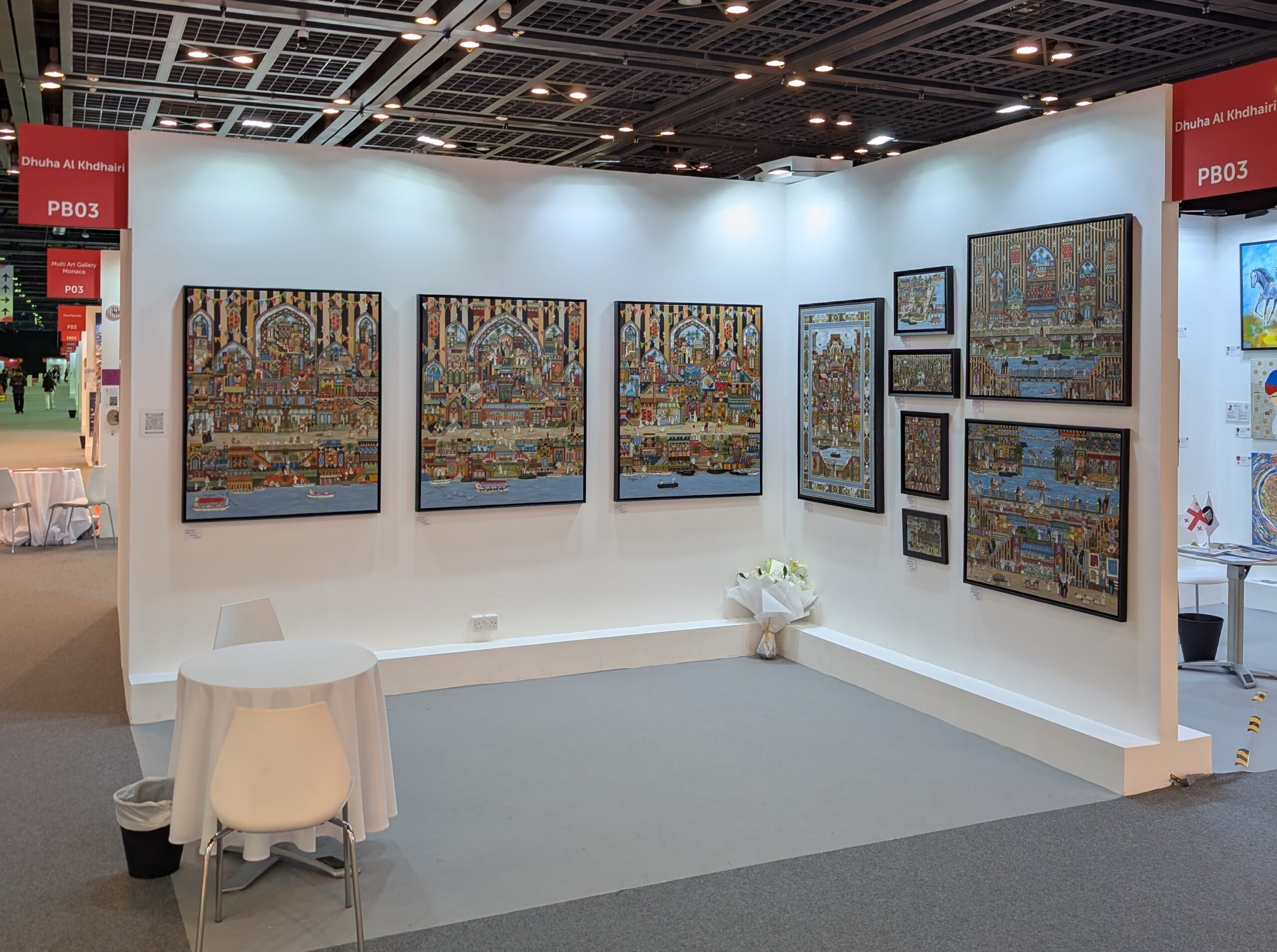
1) Your booth will be compared in seconds
Visitors do not “study” every booth. They scan. They decide quickly what feels professional, interesting, and collectible.
Expect that people will:
-
stop for 3 seconds or 30 seconds
-
glance at prices
-
judge presentation quality fast
-
ask one simple question like “Is this original?” or “What is the price range?”
Your booth must be readable instantly.
2) Most conversations will not end in a sale
You will talk to many people who:
-
love the work but are not buyers
-
are curious but price sensitive
-
want to follow you online
-
are collecting information
-
are simply enjoying the event
This is normal. Your job is to turn attention into contacts and future opportunities.
3) You will get priceless feedback
You will learn:
-
which pieces pull people in
-
which pieces get ignored
-
which price points feel easy
-
which stories resonate
-
what objections come up repeatedly
This is the kind of feedback you cannot get from a studio alone.
4) You will notice patterns in the audience
Every fair has a dominant visitor type:
-
local design lovers
-
tourists
-
corporate buyers
-
seasoned collectors
-
families and casual visitors
-
other artists
You should observe what you are really dealing with. Your strategy changes depending on the crowd.
5) You will be tired in a way you did not expect
Standing all day, staying engaged, explaining your work repeatedly, and making fast decisions is exhausting.
Plan for:
-
water and snacks
-
comfortable shoes
-
breaks
-
a helper if possible, even for a few hours
Your energy affects your sales and your confidence.
The Art Fair Guy rule: do at least 3 editions before judging art fairs
At The Art Fair Guy, we strongly recommend artists participate at least three times before deciding whether a fair is “worth it.”
Why?
Because art fairs reward consistency. Collectors rarely buy on first contact, especially from a new artist. They often buy after:
-
seeing you again
-
watching your consistency
-
following your work online
-
bringing a friend back
-
feeling they missed out last time
Edition two and three are often where real momentum starts.
Plan for three years, not one weekend
When you consider a fair, do not only calculate the cost for one participation. Calculate the cost for three editions, because building a reputation and a collector base takes time.
This is especially true if:
-
you are entering a new city
-
you are unknown to the local scene
-
you are selling at higher price points
-
the fair attracts repeat visitors and local collectors
If you cannot realistically afford three editions, you need a different strategy: a cheaper fair, a smaller booth, shared representation, or a different sales channel.
What to prepare before your first fair
1) A clear body of work, not a mixed portfolio
Your booth should feel like one strong exhibition, not a storage room.
Choose a coherent series that makes sense together in:
-
style
-
palette
-
subject
-
materials
-
narrative
You want visitors to understand what you do and remember you.
2) Pricing that feels intentional
Do not guess your prices the night before.
Have a clear price logic based on:
-
size
-
medium
-
complexity
-
edition structure
-
consistency across the booth
Also build a simple price ladder:
-
accessible entry works
-
core works
-
one statement piece
This gives different buyers a way in.
3) Professional labels and an easy buying process
Most first time exhibitors lose sales because buying feels complicated.
Make it simple:
-
visible labels with title, medium, size, year, price
-
multiple payment options
-
basic delivery options explained
-
a simple sales sheet or QR code linking to available works
4) A collector list strategy
If someone likes your work but does not buy, you still want the relationship.
Use a simple method:
-
a QR code to a mailing list sign up
-
a guestbook with a clear reason to join
-
a digital form on a tablet
Offer something in return:
-
studio updates
-
early access to new works
-
invitations to private previews
What you should focus on during the fair
Focus 1: Start conversations, do not wait
A simple line works:
-
“Hi, feel free to ask anything.”
-
“Are you collecting for your home or as a gift?”
-
“Would you like to hear the story behind this series?”
You are not pushing. You are opening a door.
Focus 2: Watch what people do, not what they say
People often say “Beautiful” and keep walking. The real signals are:
-
they step closer
-
they look at labels
-
they ask about price or edition
-
they take photos
-
they bring someone back
Track those signals.
Focus 3: Capture contacts with context
If someone loves a piece, write a quick note:
-
which artwork
-
which price range
-
what they said they liked
-
when to follow up
This turns your post fair outreach into real sales work.
What happens after the fair is where the value is
Within 48 hours after the fair:
-
thank new contacts
-
share a short link or PDF with available works
-
remind them of the pieces they liked
-
offer a studio visit or private viewing call
Many first time exhibitors stop here, which is why fairs feel “not worth it.” The follow up is what turns attention into collectors.
Realistic expectations for your first fair
Here is a healthy expectation set:
You should leave your first fair with:
-
stronger clarity on what sells and why
-
better booth presentation for next time
-
a contact list that you can grow
-
confidence talking about your work
-
a plan for edition two and three
If you also sell work, great. But even without big sales, you have progressed faster than months of online posting.
Want a first fair readiness check?
If you are preparing for your first art fair as a solo artist, The Art Fair Guy can review your planned booth selection, pricing ladder, presentation, and sales materials so you enter the fair with a professional, collector friendly setup.
The difference between a stressful first fair and a productive first fair is not luck. It is preparation and the right expectations.
Contact us at office@theartfairguy.com or find out more on our Artist Consutlancy page.