
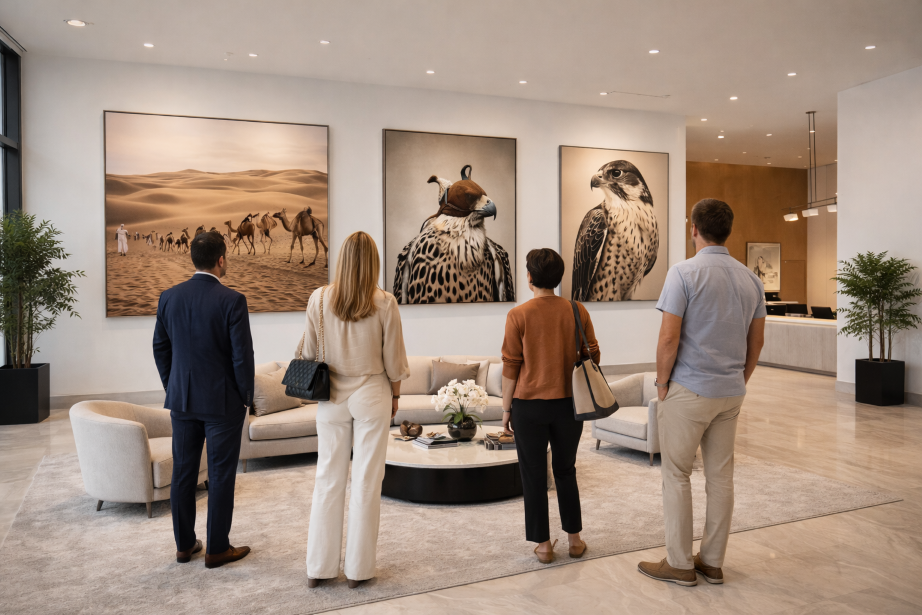
Most hotels already have what brands spend years trying to build: a physical world that guests can walk through, photograph, talk about, and share. If you also have an art collection, you have an even stronger advantage, because art creates stories, identity, and cultural credibility.
The problem is that many hotel collections stay invisible. Guests pass artworks without context, staff cannot explain them, and marketing teams rarely use the collection because the content is not organized.
In the earlier articles of this series, we covered the foundations:
-
how to make hotel art visible through placement, lighting, labels, QR codes, and a simple art map
-
how to curate and acquire art strategically for your brand so the collection feels coherent
-
how to run artist commissions and partnerships professionally so projects are smooth, brand safe, and easy to activate
This article shows how to convert that foundation into what hotels actually need: PR content that travels and guest engagement you can measure.
Why art is one of the most efficient PR engines in hospitality
Art is PR friendly because it provides:
-
human stories (artists, makers, process)
-
local relevance (community and culture)
-
photogenic assets (installations, details, spaces)
-
event moments (launches, talks, tours)
-
partnership hooks (galleries, festivals, brands)
And unlike one off campaigns, your collection is always on site. That means you can generate content year round, not only when you do a big opening.
Step 1: Build a content ready art system
If you do not have an information layer, your marketing team will avoid the topic.
Your minimum “content ready” system should include:
-
consistent artwork labels or numbering
-
QR codes that link to mobile friendly artwork pages
-
one website page for the hotel art collection
-
a short curatorial statement that explains the collection in one paragraph
-
a folder of approved images and captions for marketing use
This is exactly why the first article focused on visibility and information. PR starts with making the collection readable.
Step 2: Create story formats you can repeat
The best hotel content is repeatable. You want formats that your team can produce without reinventing the wheel.
Format A: Artist Spotlight
Short, fast, and high performing.
-
3 images of the work in the hotel
-
5 questions and answers
-
1 paragraph about the artist
-
link to the artwork page and the full collection page
Format B: Artwork of the Week
Perfect for social and newsletter.
-
one artwork photo
-
80 to 120 words of context
-
“Where to find it in the hotel”
-
QR code or link
Format C: Behind the Scenes of a Commission
Use this for every new commission and partnership.
-
sketch or concept image
-
production moment
-
installation day
-
final reveal
-
a quote from the artist and the hotel GM or curator
This connects directly to the commissioning article. If your commission workflow includes documentation, PR becomes effortless.
Format D: The Hotel Art Tour
A guest friendly route with three options:
-
10 minute highlights
-
25 minute main collection
-
45 minute full tour
Make it a webpage, not an app. Add a QR code at reception, elevators, and in room materials.
Step 3: Turn art into PR angles editors actually want
Press coverage is not guaranteed by sending a press release. You need a strong angle.
Here are angles hotels can pitch:
-
“Hotel launches a curated art tour for guests”
-
“New site specific commission by a local artist”
-
“Rotating exhibition program with a regional gallery”
-
“Artist in residence bringing culture into hospitality”
-
“Hotel collection highlights the city’s creative scene”
-
“Sustainability story: local materials, craft, community makers”
The strongest pitches combine:
-
a clear story
-
a human voice
-
strong visuals
-
a date or moment (launch, event, rotation, partnership)
Step 4: Activate the collection with low friction events
You do not need large events that stress operations. Use micro programming that fits hospitality.
Easy event formats
-
monthly art walk, 30 minutes, capped group size
-
meet the artist talk in the lounge
-
collector style private viewing for VIP guests
-
art and cocktails evening for local community
-
family friendly weekend route with a simple prompt sheet
Make sure every event has:
-
a small sign up link
-
a clear start point
-
a short script for staff
-
photos taken during the event
-
a follow up email with links to the collection page
Events should create content and community, not chaos.
Step 5: Use partnerships to amplify reach
Partnerships multiply PR because they bring extra channels.
High value partnerships include:
-
local galleries that rotate exhibitions
-
art festivals that need satellite venues
-
cultural institutions that want city wide activations
-
corporate sponsors supporting commissions or programming
Every partnership should result in:
-
a joint announcement
-
backlinks between websites
-
shared content assets
-
at least one public moment (talk, opening, tour)
Backlinks matter. A mention and link from a reputable partner can improve the hotel’s search visibility over time, and it signals cultural credibility to both guests and media.
Step 6: Make engagement measurable with simple KPIs
Hotels often say “we want more engagement” but never define what that means.
Start with metrics you can track without complex tools.
Digital engagement KPIs
-
QR code scans per area (lobby vs corridors vs rooms)
-
unique visitors to the collection page
-
time on artwork pages
-
tour page clicks and completion rates
-
newsletter click through on art content
On site engagement KPIs
-
number of tour participants per month
-
event attendance and repeat participation
-
concierge and reception mentions logged (simple tally)
-
guest feedback: “I loved the art” mentions in reviews
PR and brand KPIs
-
press mentions featuring the collection
-
backlinks to the hotel collection page
-
influencer posts that tag the hotel and show artworks
-
corporate inquiries for private events connected to art programming
The goal is trend data over time. You are not measuring art “likes.” You are measuring attention, discovery, and conversion into brand value.
Step 7: Operationalize it with a lightweight workflow
Art PR fails when it depends on one enthusiastic person. Build a simple monthly rhythm.
A practical monthly workflow
Week 1:
-
choose one artwork highlight and one artist spotlight
-
schedule one short tour slot
Week 2:
-
publish content and send newsletter snippet
-
post one behind the scenes or detail story
Week 3:
-
host the tour or micro event
-
capture photos and short guest quotes
Week 4:
-
publish recap content
-
update QR pages if any works rotated
-
review metrics and decide what to repeat
This is manageable for most hotel marketing teams.
Quick wins hotels can implement in 30 days
If you want immediate impact:
-
create one collection webpage with 20 highlight works
-
add labels or numbering and QR codes for those works
-
offer a 10 minute self guided tour
-
publish one artist spotlight and one artwork of the week
-
pitch one local publication with a clear angle and strong visuals
-
track QR scans and page visits as your first KPI set
These steps turn “art in the hotel” into “a hotel known for art.”
Want help turning your collection into a PR engine?
The Art Fair Guy consultancy helps hotels build a complete, practical system:
-
collection narrative and curatorial statement
-
QR and web based artwork information pages
-
content formats and editorial calendar
-
commission and partnership activation plans
-
PR pitch angles, media lists, and measurable KPIs
For hotels that want their art collection to generate visibility and guest engagement, contact office@theartfairguy.com.
Next in this hotel series
This article is part of an ongoing practical series for hotels that want to turn in house art from “nice decor” into a real brand and guest experience asset. In the next posts, we will go deeper into the full workflow:
-
How to Make Art Visible, Understandable, and Not “Lost” in the Building
-
How to Curate and Acquire Art Strategically for Your Brand
-
How to Run Artist Commissions and Partnerships Professionally
-
How to integrate art sales, if appropriate, without turning the hotel into a shop